
Bladder dock
Rumex vesicarius L.
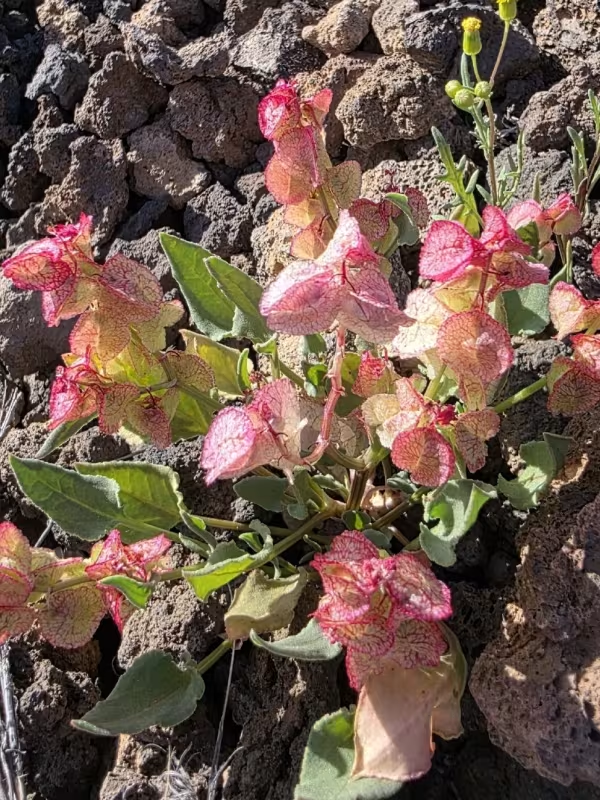
Description
Sowing dates
Bladder dock (Rumex vesicarius L.) is an annual herbaceous plant belonging to the Polygonaceae family, well-adapted to arid and semi-arid environments.
Seeds are typically sown in early spring once the soil temperature is consistently between 15 and 20 degrees Celsius to ensure uniform germination.
It is recommended to plant in rows spaced 30 to 40 centimeters apart, providing adequate space for the development of each leafy rosette.
Sowing depth should be kept shallow, between 1 and 2 centimeters, to allow the seeds to emerge efficiently without exhausting their energy reserves.
In commercial agriculture, sequential sowing every few weeks is a standard practice to maintain a continuous supply of fresh, tender leaves throughout the season.
Growing requirements
This crop thrives in full sun and is highly tolerant of heat, making it an excellent choice for open fields exposed to significant solar radiation.
It prefers light, well-draining sandy or loamy soils with a neutral pH, as it is extremely sensitive to waterlogged conditions that cause root rot.
While the plant is known for its drought resistance, regular and light irrigation during the vegetative growth phase significantly enhances leaf quality and yield.
Incorporating well-rotted organic matter into the soil prior to sowing helps improve soil structure and provides necessary nutrients for healthy leaf development.
Heavy clay soils should be avoided or amended with sand, as they impede the growth of the taproot and can lead to uneven development of the plant.
Yield
The yield of Bladder dock is maximized by consistent harvesting, which encourages the plant to continue producing new, succulent leaves over time.
High yields can be achieved under optimal conditions, with multiple cuttings possible throughout the growing season before the plant reaches maturity.
The plant is highly valued for its acidic, tangy flavor, making it a popular ingredient in various salads, traditional soups, and vegetable dishes.
Nutritionally, it is an excellent source of Vitamin C and essential minerals, contributing positively to a balanced and healthy diet.
Productivity remains stable until the onset of intense summer heat or the development of flowering stalks, which signals the end of the vegetative harvest phase.
Main diseases and pests
Fungal diseases, such as leaf spot or downy mildew, can pose a threat if the plant is grown in conditions with poor air circulation or excessive moisture.
Pests including aphids and certain leaf-eating beetles can damage the aesthetic and nutritional value of the leaves if not monitored regularly.
Proactive management involves removing weeds that compete for sunlight and nutrients, and ensuring proper spacing between plants to keep foliage dry.
The use of integrated pest management strategies, including the application of organic soaps or oils, helps keep pest populations below damaging thresholds.
Rotating the crop with non-related plant families every season helps prevent the buildup of soil-borne pathogens and improves overall plant health.
Harvesting
Harvesting begins when the plants reach approximately 15 to 20 centimeters in height, usually around 40 to 50 days after emergence.
The preferred method is to harvest the outer leaves by cutting them near the base, taking care to preserve the central meristem for further regrowth.
Picking leaves in the early morning is recommended to ensure the highest water content, crisp texture, and longer shelf life after harvest.
Post-harvest care involves quick cooling to remove field heat, which helps in maintaining the quality and freshness of the leaves for the consumer.
Avoid harvesting leaves that have become overly mature or thick, as they can accumulate higher levels of oxalic acid and lose their pleasant culinary qualities.