
Spinach dock
Rumex patientia x Rumex tianschanicus
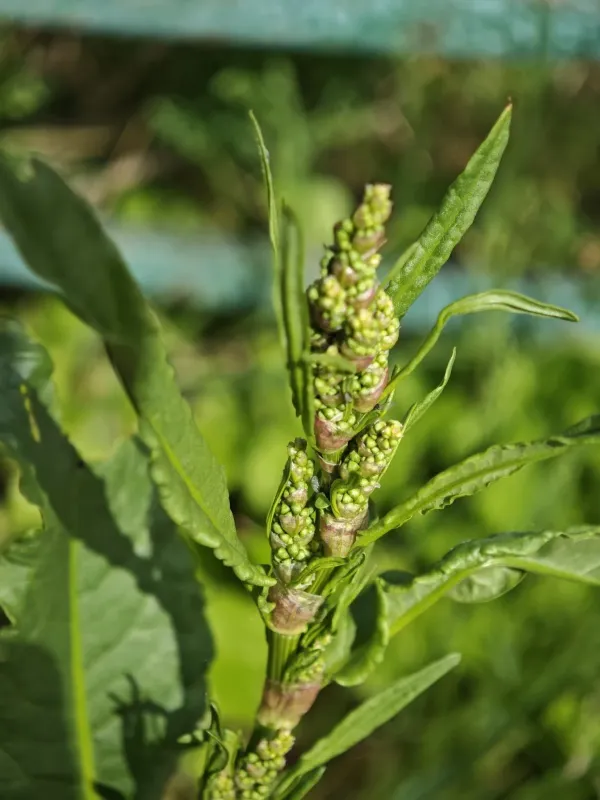
Description
Sowing dates
Spinach dock (the hybrid Rumex patientia x Rumex tianschanicus) is a perennial leafy vegetable belonging to the Polygonaceae family. It is prized for its vigorous growth and the ability to provide early spring harvests.
Sowing is typically carried out in early spring as soon as the soil can be worked. Autumn sowing is also a viable option, allowing the seeds to germinate early in the following season as temperatures rise.
Seeds should be sown in rows spaced approximately 30 to 45 centimeters apart. The ideal sowing depth is about 1.5 to 2 centimeters to ensure consistent germination and plant emergence.
During the first year, the plant focuses on establishing a strong root system and a rosette of leaves. Once established, the plant becomes highly resilient and starts its vegetative growth immediately after the snow melts.
Given its robust growth, thinning the seedlings is necessary to maintain proper airflow and prevent overcrowding. Proper spacing is essential to ensure large, tender leaves throughout the growing season.
Growing requirements
The plant thrives in fertile, well-drained loam or sandy loam soils. It prefers a slightly acidic to neutral soil pH, which enhances the nutrient uptake and overall development of the leafy canopy.
Spinach dock is highly winter-hardy and can withstand significant temperature fluctuations. While it is drought-tolerant due to its deep root system, regular irrigation is vital to produce succulent, high-quality leaves.
It performs best in sunny locations but can easily tolerate partial shade. Full sun encourages a higher concentration of vitamins and organic acids in the leaves, which is desirable for culinary use.
Incorporating organic matter such as compost or well-rotted manure into the soil prior to planting is recommended. Supplemental nitrogen fertilization after each harvest supports rapid regrowth.
Weed management is critical during the early stages of growth. Once the plants have matured, their dense foliage often helps suppress weeds naturally, reducing the need for constant maintenance.
Yield
Spinach dock is known for its exceptional productivity compared to common garden sorrel. It yields larger, broader, and more tender leaves that are excellent for cooking and salads.
In a single growing season, under optimal management, gardeners can expect to harvest the crop 4 to 5 times. The plant's ability to regenerate quickly after cutting makes it a high-yield choice.
Peak yields typically occur between the second and fourth years of growth. After this period, the plant may begin to decline in vigor, suggesting that a renewal of the planting bed is advisable.
To maximize yields, it is important to prevent the plant from bolting. Removing developing flower stalks ensures that the plant diverts its energy into leaf production rather than seed formation.
Total harvest volume depends on soil fertility, water availability, and the frequency of harvests. High-yielding plots can produce significant amounts of greens per square meter throughout the season.
Main diseases and pests
The crop can be susceptible to fungal diseases such as rust and downy mildew, particularly during periods of high humidity and poor ventilation. Keeping the planting area clean is a primary defense.
Pests like the dock beetle (leaf beetle) can cause significant damage by feeding on the leaves, creating large holes. Aphids may also appear, primarily on the underside of leaves or on new growth.
Biological pest control methods are preferred for this crop because it is a leafy vegetable. Avoiding harsh chemicals ensures the product remains safe for consumption throughout the harvest period.
Proper spacing and sanitation practices are the most effective ways to minimize disease pressure. Removing infested leaves promptly can help prevent the spread of infections to healthy plants.
If insect pressure becomes severe, using mild insecticidal soaps or neem-based products may be appropriate, provided they are applied well before the scheduled harvest time.
Harvesting
Harvesting begins when the leaves reach a usable size, usually 15-20 centimeters in length. It is important to harvest frequently to ensure that the foliage remains young and tender.
Using a sharp knife, leaves should be cut a few centimeters above the crown of the plant. Care must be taken not to damage the growth buds located at the base, which are essential for regrowth.
After each cutting, it is beneficial to water the patch thoroughly. This practice helps the plants recover quickly and maintains the turgidity of the subsequent flush of new leaves.
Harvested leaves should be kept in a cool, shaded environment immediately after collection. Proper post-harvest handling ensures that the greens remain fresh and nutritious for a longer duration.
A final cleanup harvest is performed in late autumn, removing all mature and damaged leaves. This prepares the plant for winter dormancy and ensures a clean start for the following spring.