
Royal Azalea
Rhododendron schlippenbachii Maxim.
Description
Growing requirements
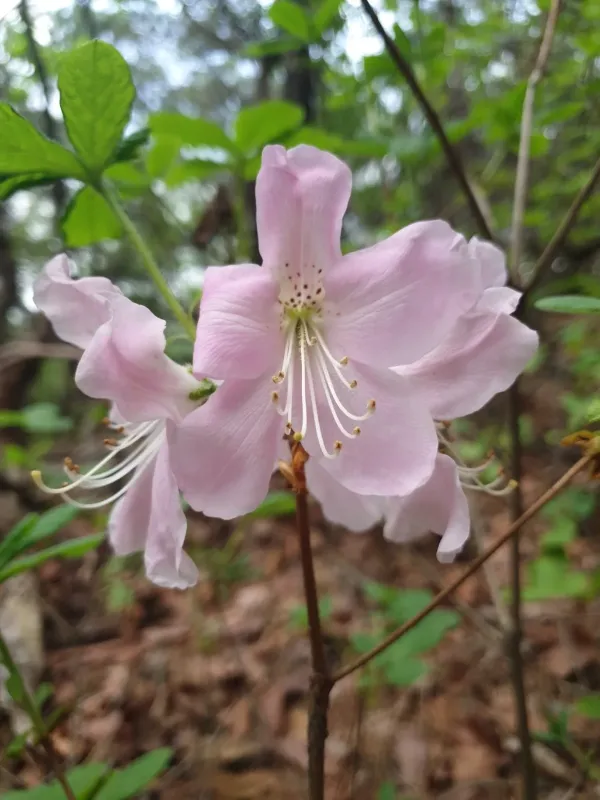
Royal Azalea (Rhododendron schlippenbachii Maxim.) is a deciduous flowering shrub belonging to the Ericaceae family. Native to the mountainous regions of Northeast Asia, it is prized in horticulture for its spectacular, large, fragrant, pale pink flowers that bloom in early spring.
Botanically, this species is distinguished by its whorled leaves and its ability to withstand colder climates compared to many evergreen rhododendrons. The plant can reach a height of two to four meters, forming an elegant, spreading shrub structure that provides structural beauty throughout the seasons.
The cultivation of this plant requires specific soil conditions, specifically acidic soil with a pH between 4.5 and 5.5. Good drainage is non-negotiable, as the plant's fine, fibrous root system is highly susceptible to root rot caused by stagnant water or compacted soil.
In terms of light exposure, Royal Azalea thrives in partial shade or dappled sunlight. While it can tolerate some morning sun, harsh afternoon exposure is detrimental and can lead to leaf scorch, particularly in regions with hotter summer temperatures.
Maintenance is centered on preserving moisture and acidity in the root zone. Frequent mulching with acidic organic matter, such as pine needles, shredded bark, or peat moss, is essential to regulate soil temperature and inhibit weed growth.
Main diseases and pests
Fungal diseases, including leaf spot, petal blight, and Phytophthora root rot, are the primary health threats. These pathogens thrive in high humidity and poorly ventilated planting sites where moisture remains on the foliage for extended periods.
Insect pests such as azalea lace bugs and spider mites are common. These pests feed on the undersides of leaves, causing discoloration, loss of vigor, and potentially leaf drop, which diminishes the ornamental value of the plant.
Management of these threats involves a holistic approach including cultural practices like proper plant spacing to ensure airflow, and targeted chemical interventions using systemic fungicides or insecticides when active infestations are detected.
Regular monitoring of the foliage and stems allows for the early detection of stress signs. Removing and destroying affected plant debris is a critical step in preventing the spread of pathogens within the garden environment.
Ensuring the plant is not under moisture stress through consistent irrigation helps the shrub maintain its natural resistance against opportunistic infections and pest colonization throughout the growing season.