
Catawba rhododendron
Rhododendron catawbiense Michx.
Description
Growing requirements
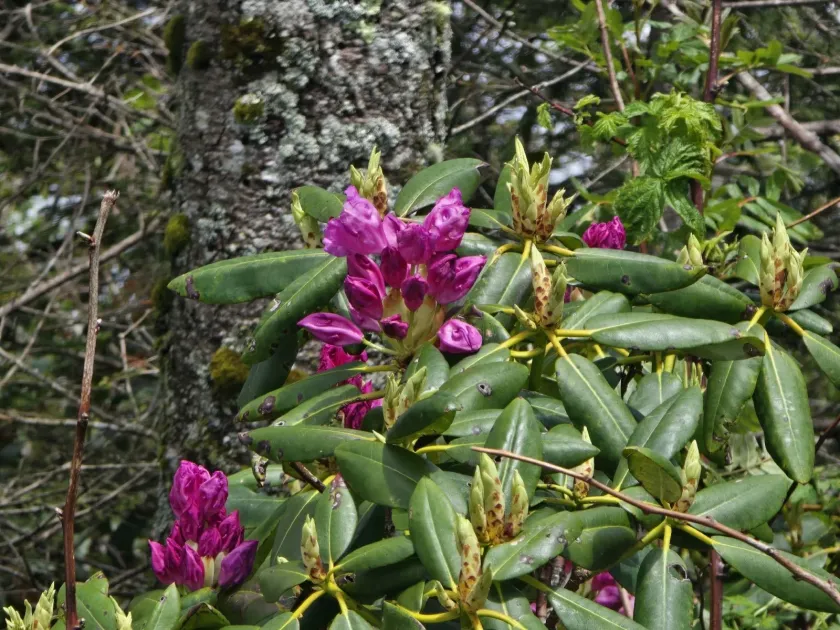
The Catawba rhododendron (Rhododendron catawbiense) is a robust, evergreen shrub belonging to the Ericaceae family. Native to the Appalachian Mountains in the United States, it is renowned for its extreme cold hardiness and striking purple-lilac floral displays.
This species serves as a primary genetic source for many modern cold-tolerant rhododendron hybrids. In the garden, it typically reaches 2–4 meters in height and features leathery, elliptical leaves that provide year-round interest and texture to the landscape.
The cultural success of this plant depends entirely on soil conditions: it requires acidic, well-draining soil with a pH between 4.5 and 5.5. Incorporating high amounts of organic matter, such as pine bark, peat moss, or leaf mold, is essential for mimicking its natural mountain habitat.
Site selection is critical; the Catawba rhododendron thrives in partial shade. Excessive direct sun, especially in early spring when the ground is still frozen, can cause significant leaf desiccation and sunscald. Providing shelter from strong winds also reduces winter damage.
Mulching is a standard agricultural practice for this species. A thick layer of pine needles or wood chips helps maintain soil moisture, regulates temperature, and gradually contributes to the necessary acidity of the growing medium, which is vital for the health of its fine, fibrous root system.
Main diseases and pests
Phytophthora root rot is a major pathogen of rhododendrons, especially in sites with poor drainage or compacted soil. Prevention focuses on improving soil structure and avoiding deep planting, which can lead to the suffocation of the root collar and subsequent plant death.
Iron chlorosis is a common physiological disorder, characterized by yellowing of the foliage while the veins remain green. This is almost exclusively tied to a high soil pH, which locks up iron availability; correction involves soil acidification and the application of chelated iron supplements.
The rhododendron lace bug is a significant insect pest that feeds on the undersides of leaves, causing a stippled, mottled appearance. Effective management involves both cultural practices, like maintaining plant vigor, and the use of insecticidal soap or systemic insecticides.
Botryosphaeria dieback is a fungal infection that enters through wounds, causing branches to wilt and die. Pruning infected wood well below the visible symptoms and sanitizing tools after each cut is the primary method of stopping the spread of the fungus.
In humid conditions, petal blight can ruin the aesthetics of the blooming season by turning flowers into a soft, brown mush. Removing fallen blossoms from around the base of the plant and applying fungicides at the onset of flowering can help mitigate this disease.