
Rhododendron yakushimanum
Rhododendron degronianum Carrière subsp. yakushimanum (Nakai) H. Hara
Description
Growing requirements
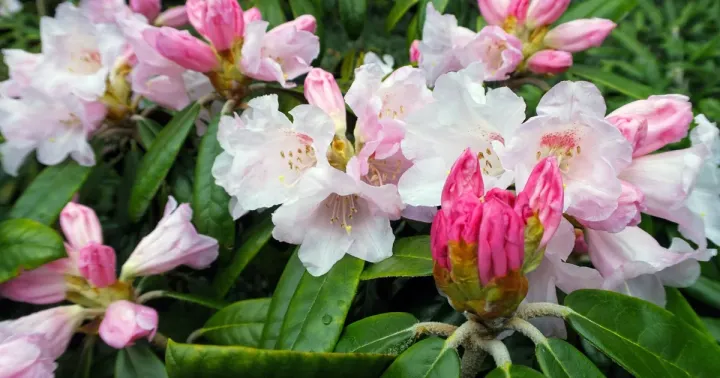
Rhododendron yakushimanum is a distinguished evergreen ornamental shrub belonging to the Ericaceae family. Native to the high-altitude regions of Yakushima Island in Japan, it has evolved to thrive in harsh, mountain conditions, which contributes to its overall resilience in cultivated garden environments.
Successful cultivation requires soil that is light, well-draining, and acidic, ideally maintaining a pH level between 4.5 and 5.5. Heavy clay soils are unsuitable without proper modification, as the plant's sensitive root system requires significant aeration and is prone to rot if kept in waterlogged conditions.
The ideal planting site for this shrub is in partial shade, where it is shielded from harsh direct sunlight and cold, drying winds. Planting near pine or spruce trees is often recommended, as these companions naturally acidify the soil and provide the semi-shaded environment that rhododendrons prefer.
Mulching is a critical component of the plant's maintenance routine, preferably using pine needles or wood chips. This helps retain moisture, suppresses weed growth, and gradually breaks down to maintain the necessary soil acidity levels required for nutrient uptake.
This species is valued for its slow growth rate and dense, compact habit, making it an excellent candidate for small gardens. Proper hydration with soft, non-alkaline water is essential, especially during the peak of summer, to prevent stress and ensure the development of flower buds for the following year.
Main diseases and pests
Phytophthora root rot is a major threat to this species, usually triggered by poor drainage or overwatering. Proactive management involves maintaining excellent soil structure and using preventative fungicide treatments during periods of high humidity and rainfall.
Pests such as the rhododendron bug and spider mites can cause significant aesthetic damage by feeding on the sap of the leaves. Systematic monitoring and the application of appropriate insecticides during the early stages of infestation are necessary to preserve the foliage quality.
Iron chlorosis is a common physiological disorder, particularly when the soil pH rises above the optimal range, rendering iron unavailable to the roots. The application of iron chelates and fertilizers formulated specifically for ericaceous plants effectively corrects this nutrient deficiency.
Late spring frosts can damage developing flower buds, necessitating the use of horticultural fleece or other protective covers in colder regions. Protecting the plant during these vulnerable stages ensures a successful and spectacular flowering display.
Leaf spot diseases, often caused by fungal pathogens, can develop in stagnant, humid environments with poor air circulation. Ensuring adequate spacing between plants and keeping the foliage as dry as possible are key cultural practices for minimizing the impact of these diseases.