
Indian azalea
Rhododendron indicum (L.) Sweet
Description
Growing requirements
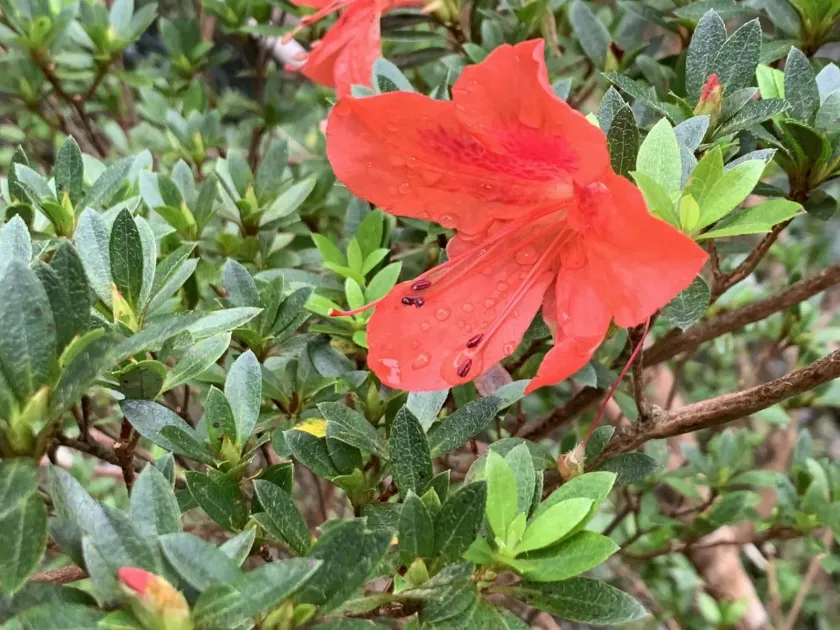
Indian azalea (Rhododendron indicum) is a perennial evergreen shrub classified within the Ericaceae family. It is a highly valued crop in commercial horticulture, primarily grown as a potted ornamental plant due to its ability to produce vibrant, mass-flowering displays under controlled conditions.
Native to the temperate and subtropical mountainous regions of East Asia, specifically Japan and China, this plant has been adapted for global cultivation. It thrives in environments where high atmospheric humidity and moderate temperatures are maintained, making it a staple of greenhouse operations.
The botanical structure is characterized by dense branching, small coriaceous leaves, and a shallow, delicate root system. This morphology necessitates the use of a specialized, well-draining acidic growing medium, typically composed of peat, pine bark, and perlite, with a pH level between 4.0 and 5.0.
Successful production requires rigorous climate control. Daytime temperatures should ideally range from 16 to 20 °C, while cooler night temperatures are essential for the induction of floral buds. Protecting the plant from direct, scorching sunlight is vital to prevent leaf burn and maintain foliage health.
Agricultural management involves precise irrigation practices using soft, lime-free water to prevent soil alkalization. Regular fertilization with acid-loving plant nutrients is required during the vegetative growth phase, while monitoring soil moisture levels prevents both drought stress and root suffocation.
Main diseases and pests
Spider mites are the most prevalent pest for Indian azalea, thriving in low-humidity environments. Producers must implement regular scouting and apply acaricides to manage populations, as untreated infestations can cause severe foliage drop and loss of plant vigor.
The azalea leaf miner and various aphids also pose significant threats. These pests target the new growth, causing leaf curling and tissue damage. Effective control is achieved through the integrated use of systemic insecticides and physical removal of infested plant parts.
Fungal pathogens such as gray mold (Botrytis) and Phytophthora root rot are primary concerns in greenhouse environments. These diseases are often facilitated by poor air circulation and excessive substrate moisture, necessitating strict sanitation protocols and the use of fungicide drench applications.
Chlorosis, a physiological disorder resulting from iron deficiency due to high pH or poor nutrient uptake, is a frequent issue. It manifests as yellowing leaves with green veins and is corrected through the addition of chelated iron and the use of acidic fertilizers.
A comprehensive integrated pest management (IPM) program is essential for maintaining crop quality. This includes proper spacing to improve airflow, immediate removal of symptomatic plants to reduce inoculum sources, and the use of sterile growing media to prevent the introduction of pathogens.