
Pontic rhododendron
Rhododendron ponticum L.
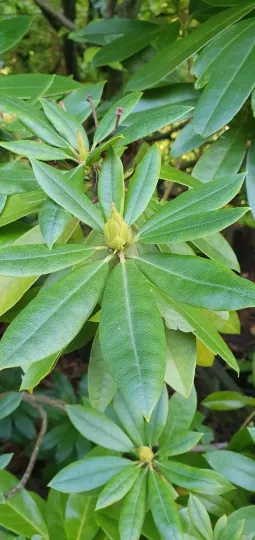
Description
Growing requirements
Rhododendron ponticum is a robust evergreen shrub from the Ericaceae family, widely recognized for its high ecological adaptability and vibrant purple-mauve flower clusters during the spring season.
For optimal growth, this species requires acidic, well-draining soil with a high organic matter content, ideally maintaining a pH level between 4.5 and 5.5 to facilitate nutrient uptake.
The plant thrives in partial shade conditions, mimicking its natural habitat under the forest canopy, which protects the foliage from excessive transpiration and sunburn during hot summer months.
Water management is critical; the root zone must remain moist but never waterlogged, as poor drainage is the primary cause of root rot in cultivated rhododendrons throughout the world.
Annual mulching with acidic organic materials, such as pine bark or peat, is essential to provide thermal protection for the roots and to inhibit the growth of competing weeds around the shrub.
Main diseases and pests
Fungal diseases, specifically Phytophthora root rot, pose the most significant risk to the plant, especially in areas with compacted, poorly aerated soil or stagnant rainwater accumulation.
Insect pests such as the rhododendron leafhopper are problematic, as they not only damage the leaves by feeding on sap but also act as vectors for various fungal and viral infections.
Effective management strategies include the use of systemic fungicides during the early spring and consistent sanitation practices to remove and destroy any infected or decaying plant debris.
Lace bugs are another common threat, causing leaves to develop a mottled, speckled appearance, which drastically reduces the aesthetic value of the ornamental shrub in garden settings.
Monitoring the plant for signs of nutrient deficiency, such as interveinal chlorosis, is vital; this condition can often be corrected by applying chelated iron or adjusting the soil chemistry.