
Indian azalea
Rhododendron simsii Planch.
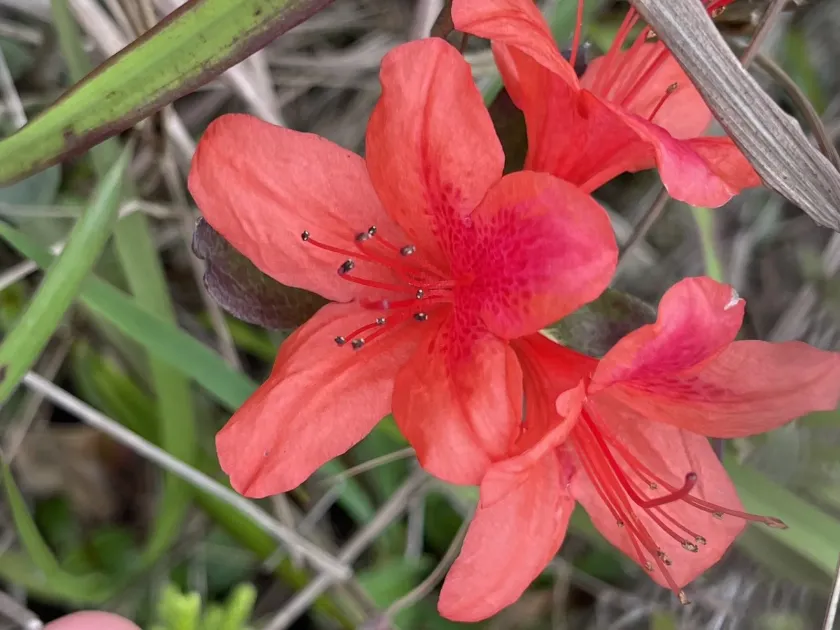
Description
Growing requirements
Indian azalea (Rhododendron simsii Planch.) is a prominent member of the Ericaceae family. Known for its intense flowering, it is a woody, evergreen shrub traditionally cultivated for ornamental purposes in pots or greenhouses.
Originating from the mountainous regions of East Asia, specifically China, the plant has adapted to cool, humid environments. Commercial production focuses on mimicking these conditions to ensure optimal blooming performance for the market.
Success in cultivation relies heavily on a highly acidic substrate, typically consisting of sphagnum peat moss with a pH range of 4.0 to 5.0. It is essential to ensure the mix remains well-drained while maintaining consistent moisture.
Temperature control is a critical factor for the vegetative and reproductive phases. Ideally, temperatures should be kept cool, ideally below 15 degrees Celsius during the bud-setting stage to prevent flower abortion and ensure long-lasting blossoms.
Watering practices must utilize soft, lime-free water to prevent soil alkalinity. Regular misting and high ambient humidity are necessary to maintain foliage health and reduce the risk of physiological stress during the growing season.
Main diseases and pests
The most common pests affecting this culture include spider mites, thrips, and azalea lace bugs. These insects cause damage by feeding on leaves, resulting in stippling, yellowing, and eventually significant leaf drop.
Fungal pathogens such as Phytophthora and Cylindrocladium frequently attack the root system, particularly when irrigation is excessive. Proper drainage and sterile growing media are the primary defenses against these soil-borne diseases.
Botrytis blight is a major concern during periods of low light and poor air circulation. It causes grey mold to develop on flowers, which quickly spreads to other plant parts if the infected tissues are not removed promptly.
Iron-deficiency chlorosis is a common physiological issue in Indian azaleas, manifested by interveinal yellowing of young leaves. This is usually corrected by adjusting the pH level and applying iron chelate fertilizers.
Integrated pest management strategies involve regular inspection of the lower leaf surfaces and the implementation of bio-rational pesticides to maintain healthy stocks while minimizing chemical exposure.