
Torch Azalea
Rhododendron kaempferi Planch.
Description
Growing requirements
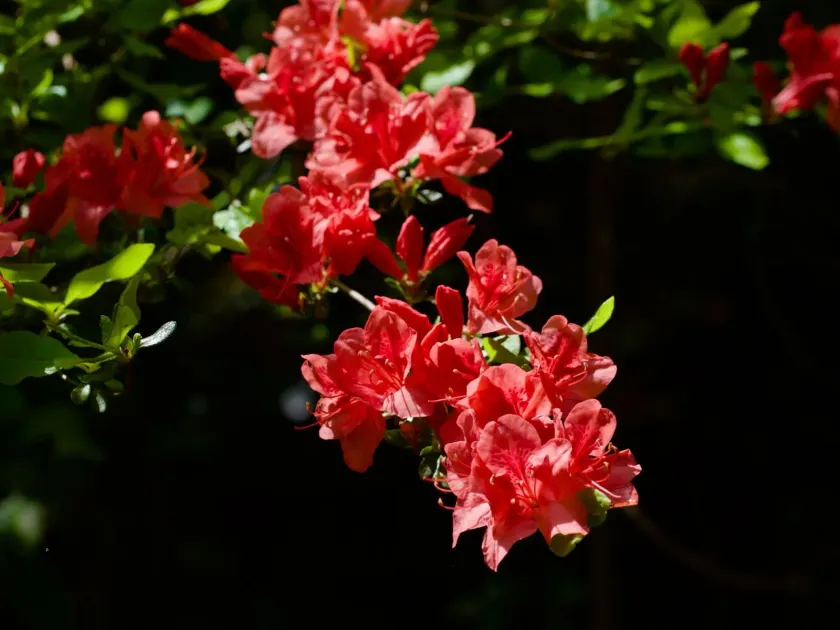
The Torch Azalea (Rhododendron kaempferi) is a semi-evergreen shrub belonging to the Ericaceae family. Native to the mountainous regions of Japan, this species is highly valued in horticulture for its spectacular clusters of vibrant flowers that bloom in the spring.
This shrub requires specific environmental conditions to thrive, primarily acidic, well-draining soil rich in organic matter. Gardeners must ensure a soil pH between 4.5 and 5.5, as these plants are unable to absorb essential nutrients in alkaline conditions, which often leads to chlorosis.
Proper light management is crucial for the health of Rhododendron kaempferi. While it can tolerate some sun, it performs best in dappled shade provided by canopy trees. Intense afternoon heat and direct sunlight can scorching the delicate foliage and dry out the shallow root system.
Moisture control is an essential aspect of the plant's maintenance. The soil should remain consistently moist but never waterlogged. Incorporating pine needles or peat moss as mulch helps retain soil moisture, suppresses weeds, and maintains the required acidity level around the root zone.
The plant is relatively hardy but benefits from protection during severe winter months. Its natural growth habit is elegant and branching, meaning that minimal pruning is required, primarily focusing on removing dead or damaged wood after the flowering period concludes.
Main diseases and pests
Common diseases affecting this shrub include leaf spots and root rot, which are often triggered by excessive soil moisture or poor site drainage. Preventive measures, such as selecting a well-drained planting site, are the most effective ways to avoid these fungal issues.
Insect pests can also cause significant damage to the foliage. The rhododendron lace bug is a common culprit, creating stippling patterns on leaves, while spider mites may attack during hot, dry spells. Integrated pest management, including regular inspection and proper irrigation, is key to control.