
Rough-leaved hydrangea
Hydrangea aspera Buch.-Ham. ex D. Don
Description
Growing requirements
Hydrangea aspera, commonly known as the rough-leaved hydrangea, is a significant ornamental shrub belonging to the Hydrangeaceae family. Native to the mountainous regions of the Himalayas and China, it thrives in cool, humid environments.
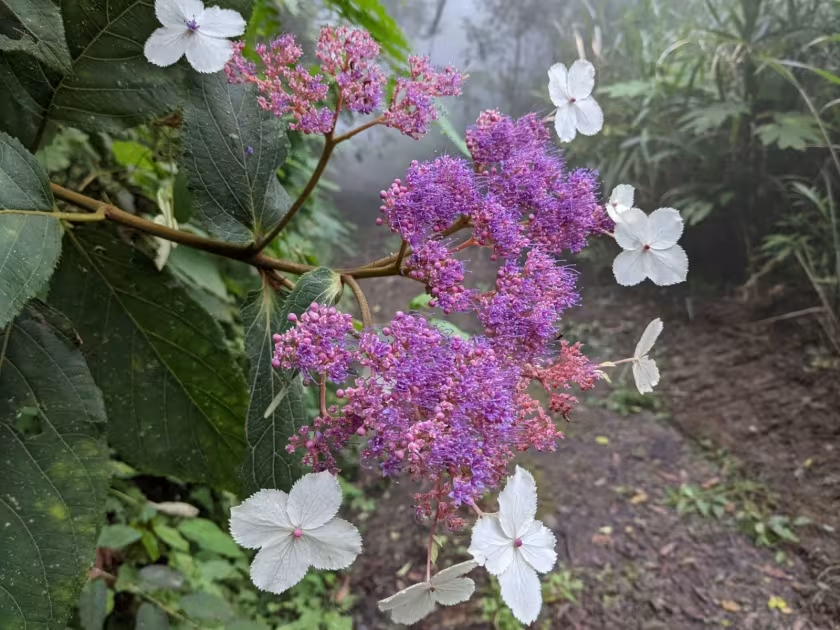
This species is highly valued for its striking architectural foliage, which features large, velvety leaves covered in fine, bristly hairs. The plant produces broad, flat-topped inflorescences with a beautiful contrast between central fertile and outer sterile florets.
Cultural requirements involve selecting a location with partial shade, as the foliage is prone to scorching under intense, direct sun. Protection from harsh, drying winds is also essential for maintaining plant health and vigor.
The soil must be rich in organic matter, moist, and acidic. On soils with neutral or alkaline pH, the plant may struggle with nutrient absorption, leading to poor growth and premature loss of leaf color.
Consistent irrigation is vital, particularly during the growing season. Applying organic mulch, such as pine needles or shredded bark, helps to retain soil moisture while gradually improving the acidity of the growing medium.
Main diseases and pests
Hydrangea aspera can be susceptible to fungal diseases, including powdery mildew and Botrytis, especially in environments with poor air circulation or prolonged high humidity during the late spring and summer months.
Iron chlorosis is a common physiological condition observed when the plant is grown in soil with high lime content. This leads to yellowing of the foliage, which can be corrected by applying chelated iron or acidic amendments.
Pests such as aphids and spider mites can cause damage to the tender foliage and growing tips. Regular inspections are recommended to ensure these infestations do not reach levels that compromise the plant's health.
Management of these threats involves a combination of cultural practices, such as proper spacing for air circulation, and the judicious use of pesticides when necessary to manage outbreaks of harmful insects.
Maintaining strong plant vigor through appropriate fertilization and timely pruning of dead or diseased wood creates a natural barrier against many common environmental stresses and pathogen attacks.