
Japanese gentian
Gentiana scabra Bunge var. buergeri (Miq.) Maxim. ex Franch. & Sav.
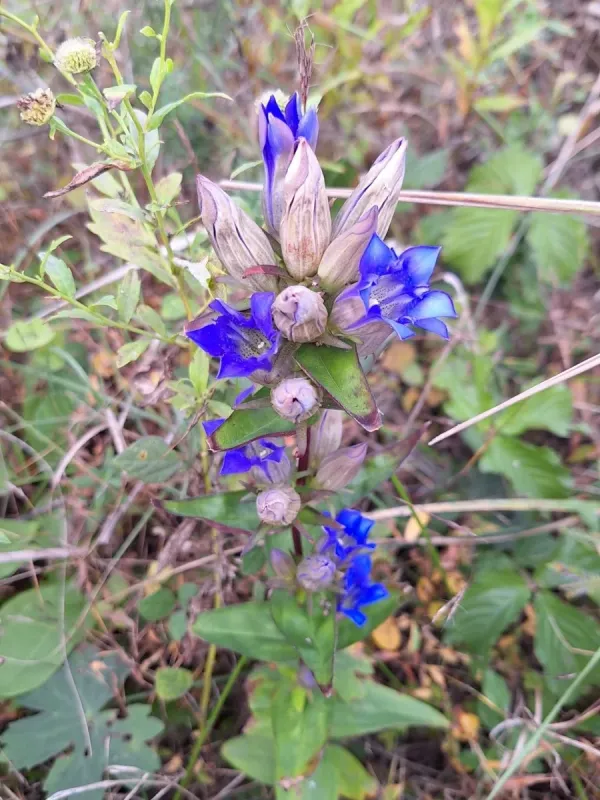
Description
Sowing dates
Seeds of Gentiana scabra possess a natural dormancy that requires cold stratification for 4 to 8 weeks to achieve successful germination rates in spring.
Due to their minute size, the seeds should be sown on the surface of the growing medium and pressed lightly without covering them with soil, as they require light to germinate.
Sowing in controlled nursery trays allows for better management of moisture levels and temperature during the critical stages of early seedling development.
Transplanting to the field should occur after the danger of late frost has passed, ensuring plants are hardened off properly before moving to outdoor conditions.
Proper spacing is crucial; maintaining at least 30 centimeters between individual plants ensures sufficient airflow and reduces competition for nutrients.
Growing requirements
Japanese gentian thrives in well-drained, slightly acidic to neutral soil. Poorly drained heavy clays can easily lead to root rot and complete crop loss.
The plant performs best in semi-shaded areas, as intense direct summer sun can cause heat stress and dehydration in the root zone.
Consistent moisture is required throughout the growing season. While the plant dislikes waterlogging, it cannot tolerate prolonged periods of total drought.
Optimal growth occurs in regions with cool to moderate temperatures. Mulching the soil surface is an effective technique to maintain soil temperature and moisture.
Fertilization should be managed carefully, using balanced organic compost rather than high-nitrogen mineral fertilizers to avoid forcing overly succulent growth.
Yield
The primary economic output of Gentiana scabra is the harvested root, which contains essential pharmacologically active compounds such as gentiopicroside.
Commercial yields usually reach their peak by the third or fourth year of cultivation, when roots have developed sufficient biomass and chemical maturity.
Typical yields can range from 1.5 to 2.5 tonnes of dried root per hectare, depending on soil fertility, site preparation, and overall crop management practices.
Quality control is essential for marketable output; therefore, harvesting must be timed correctly to coincide with the period of highest chemical concentration in the roots.
Intensive farming practices including weeding and systematic irrigation can significantly improve the total dry mass harvest compared to low-input systems.
Main diseases and pests
Slugs and snails are the most common pests, particularly during the early seedling stage where they can cause rapid and significant damage to the foliage.
Fungal pathogens such as root rot and grey mold (Botrytis) represent the greatest threat in humid conditions or where soil drainage is inadequate.
Viral or bacterial infections are less frequent but can occur in high-density plantations where stress levels are high or hygiene standards are neglected.
Regular scouting of the field is necessary to identify early signs of infestations, allowing for targeted intervention before a small problem becomes widespread.
- Maintenance of excellent soil structure.
- Avoidance of overhead irrigation to keep foliage dry.
- Removal and destruction of infected plant material immediately upon detection.
Harvesting
Harvesting is typically performed by mechanized digging or hand-excavation of the root systems after the plant has entered its dormant phase in late autumn.
Roots must be thoroughly cleaned of all soil debris and extraneous vegetable matter to meet strict quality standards before entering the drying process.
Drying should be carried out in a temperature-controlled environment, not exceeding 45°C, to ensure the degradation of sensitive active compounds is minimized.
Proper storage is essential, requiring cool, dry, and dark conditions to prevent spoilage and maintain the potency of the herb over the shelf life.
Post-harvest soil preparation is vital to replenish nutrients, and rotating the planting site every few years helps maintain overall field health and reduces pest pressure.