
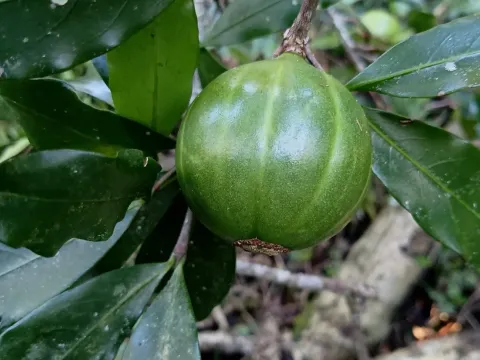
Rothmannia
Rothmannia
Rothmannia is a genus of evergreen shrubs and small trees belonging to the Rubiaceae family. Native primarily to the tropical regions of Africa, these plants are known for their distinct woody stems and fragrant, bell-shaped flowers which are characteristic of many members of this botanical family.
What the section contains


Rothmannia
Environmental requirements for Rothmannia are strictly tropical. They thrive in consistent temperatures and require a frost-free environment to maintain their metabolic functions. In temperate regions, successful cultivation is only possible within controlled greenhouse environments where microclimate parameters are strictly regulated.
Soil management plays a crucial role in the development of this culture. The ideal substrate should be highly porous, well-draining, and rich in organic matter to mimic the natural forest floor conditions. Maintaining a slightly acidic pH level is essential for optimal nutrient uptake and root health.
Watering strategies must be carefully balanced. While Rothmannia prefers consistently moist soil, waterlogging leads to rapid root decay. Irrigation should be performed when the top layer of the substrate shows signs of slight moisture loss, ensuring that drainage holes are never obstructed.
The economic and practical use of Rothmannia is primarily centered on ornamental horticulture. Due to the high aesthetic value of their flowers and foliage, these plants are highly sought after by collectors and botanical institutions for display purposes in conservatories and warm climates.
Common pests affecting Rothmannia include scale insects and aphids, which target the soft tissue of new growth. These pests can rapidly proliferate in warm, sheltered environments, requiring prompt intervention with appropriate horticultural oils or systemic insecticides.
Fungal pathogens are a major threat, particularly those causing root rot and leaf spots. High humidity combined with poor airflow is the primary catalyst for these diseases, making sanitation and canopy management essential for effective long-term crop protection.
Spider mites represent another significant threat, especially during periods of low air humidity. These pests thrive in dry conditions and can cause severe chlorosis and leaf drop if not managed through increased humidity or targeted miticide applications.
Physiological disorders, such as nutrient deficiencies, often manifest as leaf chlorosis. This is typically corrected by applying balanced micronutrient fertilizers in chelated form, which allows for better absorption through the root system in varied soil types.
Preventative cultural practices remain the best defense against threats. This includes maintaining optimal distance between plants to allow airflow, using sterile growing media, and strictly adhering to quarantine protocols for any new additions to the planting area.