
Rothmannia capensis
Rothmannia capensis
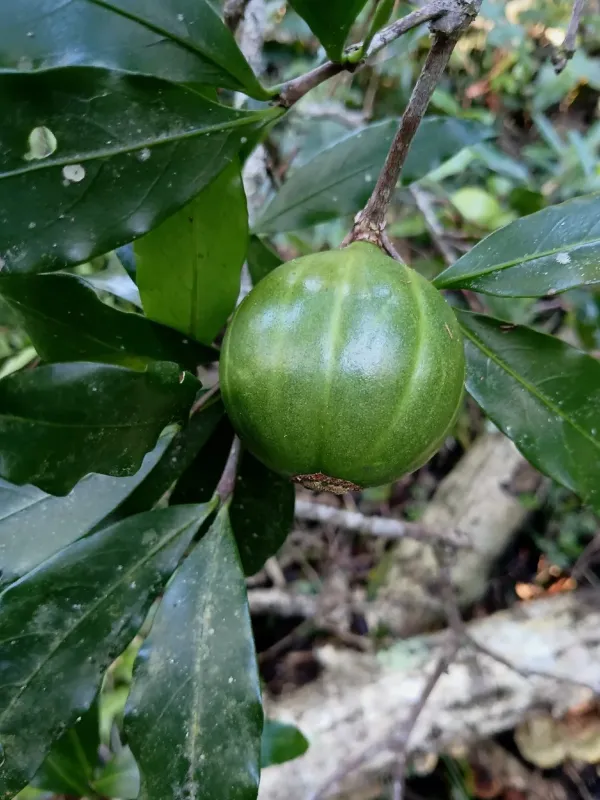
Description
Growing requirements
Rothmannia capensis, commonly known as the Cape Gardenia, is a distinguished evergreen tree belonging to the Rubiaceae family. This species is native to Southern Africa and is highly prized for its dark green, glossy foliage and fragrant, bell-shaped flowers.
The natural habitat of this plant consists of coastal forests and wooded hills, where it flourishes under moderate rainfall and warm temperatures. It is well-adapted to environments that provide protection from harsh winds and direct afternoon sun.
In terms of climate, the Cape Gardenia prefers tropical and subtropical conditions. It requires consistent warmth to thrive and is highly sensitive to frost, making it ideal for mild climate cultivation or greenhouse conditions in colder regions.
Successful cultivation requires soil that is rich in organic matter and has excellent drainage. While it thrives in fertile loamy soils, it is essential to ensure that the moisture levels are maintained without causing waterlogging, which could lead to root damage.
Horticulturally, this species is mainly utilized as an ornamental plant in gardens and public spaces due to its visual appeal and sweet-smelling blossoms. It also serves an important role in local ecosystems by attracting pollinators and providing nesting sites for various bird species.
Main diseases and pests
The primary pests affecting Rothmannia capensis include scale insects and spider mites, which typically target the plant when grown under stressed conditions or improper humidity levels.
Fungal diseases, particularly root rot, represent a significant threat when the plant is kept in waterlogged soil. Proper soil aeration is crucial to prevent the development of these pathogens.
Leaf spotting diseases may occasionally occur during periods of high humidity and poor air circulation, often resulting in premature leaf drop if left untreated.
Management involves proper hygiene practices, such as pruning damaged or diseased branches to maintain healthy airflow and using biological or chemical pest control agents when necessary.
Early identification of pest infestations is key to maintaining the plant's structural integrity. Monitoring the undersides of leaves and the junction of branches is recommended to ensure early detection.