
Rothmannia longiflora
Rothmannia longiflora
Description
Sowing dates
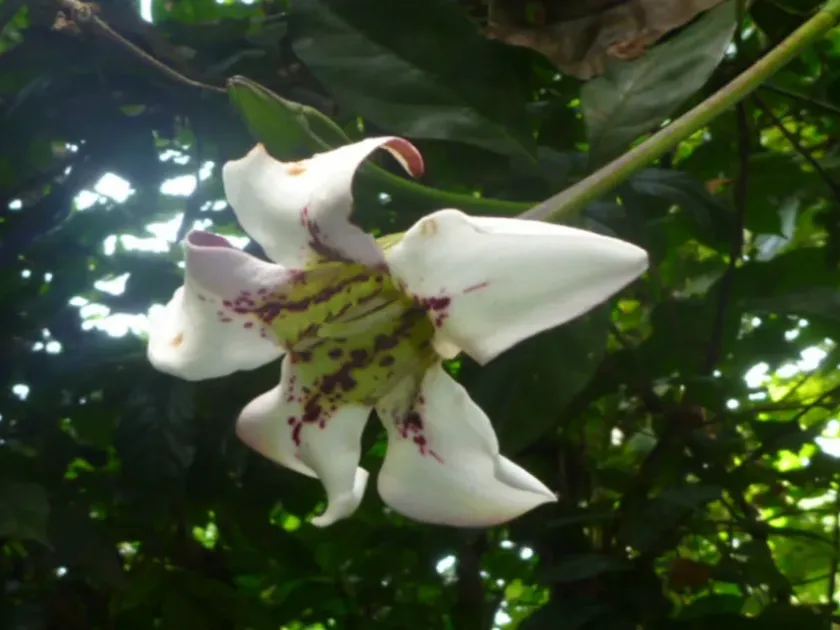
Rothmannia longiflora is a distinguished member of the Rubiaceae family, native to the tropical regions of Africa. It is highly valued as an ornamental flowering shrub for its large, trumpet-shaped white flowers with distinctive markings.
Propagation is primarily achieved through seeds. Because seeds have a short shelf life, they should be sown in a warm, humid environment as soon as they are harvested from the mature fruit.
The ideal germination temperature ranges between 25°C and 30°C. Using a sterile, well-draining seed starting mix is essential to prevent damping-off diseases common in tropical seedlings.
Cuttings are another viable method of propagation. Semi-hardwood cuttings should be taken during the active growth season and treated with rooting hormones before being placed in high-humidity propagating chambers.
Once established, the seedlings exhibit rapid growth if provided with consistent warmth and high ambient humidity. Young plants must be gradually acclimated to lower humidity levels.
Growing requirements
This species demands a tropical climate with temperatures never dropping below 15°C. It thrives in high-humidity environments, making it an excellent choice for conservatories or warm indoor spaces.
The soil requirement includes a rich, acidic to neutral substrate with exceptional drainage. Incorporating organic matter such as peat or leaf mold ensures the necessary nutrient levels for consistent blooming.
Light levels should be bright but filtered. Intense, direct sunlight can scorch the glossy foliage, while deep shade inhibits flower production and leads to sparse growth.
Watering must be frequent but carefully managed. The plant prefers evenly moist soil; however, it is highly susceptible to root rot if the roots are left standing in water.
Regular fertilization with an acid-loving plant fertilizer or a balanced liquid feed during the growing season supports the heavy blooming cycle of this species.
Main diseases and pests
The most common pests include aphids and mealybugs, which tend to congregate on the tender new growth and developing flower buds, draining the plant of vital nutrients.
Spider mites are a significant threat in environments where the air is too dry. Maintaining proper humidity levels is the most effective way to prevent outbreaks of these tiny pests.
Fungal issues, such as leaf spot or powdery mildew, can occur if the plant is kept in an area with poor air circulation, particularly during humid, still weather.
Root rot remains the most serious threat, usually caused by over-watering or using heavy, clay-based soils that do not allow for adequate root oxygenation.
Integrated pest management, including regular washing of leaves and the application of neem oil or insecticidal soap, helps maintain the health of the plant throughout the year.
Harvesting
The primary utility of Rothmannia longiflora is horticultural. It is highly sought after by collectors of exotic flora for its fragrance and aesthetic elegance in tropical garden designs.
While not a traditional food crop, in some regions, its flowers are appreciated for their intense scent, which intensifies during the evening, adding sensory value to garden areas.
Seed harvesting requires careful timing. The fruit must be fully ripe to ensure the seeds have developed enough maturity to be viable for future cultivation.
The plant can be trained into a standard form or kept as a smaller shrub through careful pruning, making it versatile for both indoor pot cultivation and outdoor landscaping.
Maintenance pruning after the flowering season is recommended to remove spent blooms and maintain a dense, compact shape, promoting healthier new growth.