
Rothmannia whitfieldii
Rothmannia whitfieldii
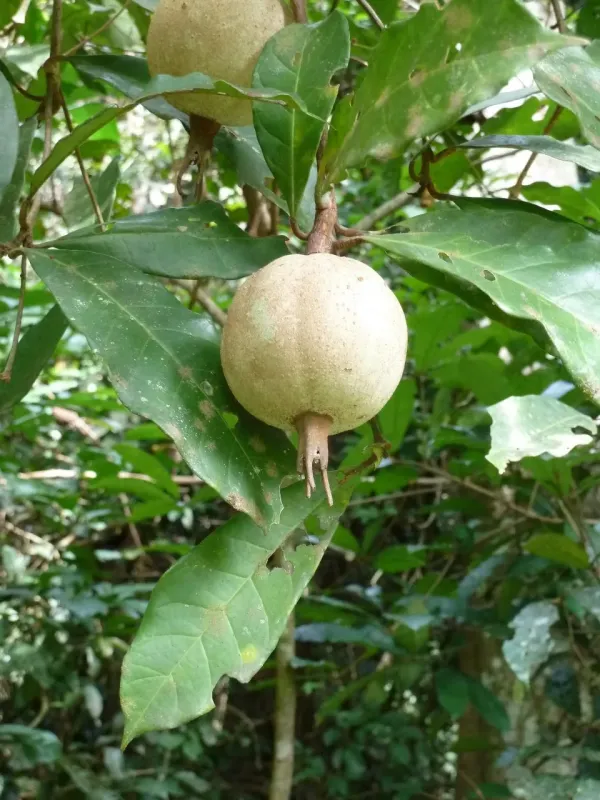
Description
Growing requirements
Rothmannia whitfieldii is an evergreen shrub or small tree belonging to the Rubiaceae family. This species is native to the tropical forests of West and Central Africa, where it plays an ecological role in the understory.
The plant thrives in tropical climates characterized by high humidity and consistent temperatures. It is highly sensitive to cold, requiring a frost-free environment to maintain growth throughout the year.
Soil requirements include well-draining, nutrient-rich substrates. The plant performs best in soils with high organic matter content and a slightly acidic to neutral pH balance.
Cultivation practices involve regular irrigation to ensure the soil remains moist but not waterlogged. Mulching is recommended to maintain soil moisture levels and regulate root zone temperature.
The species is valued for its distinct botanical structure and ornamental flowers, which are often fragrant and attract local pollinators within its natural range.
Main diseases and pests
Common pests affecting Rothmannia whitfieldii include scale insects and spider mites, which typically thrive in protected or greenhouse environments with low air circulation.
Fungal pathogens such as powdery mildew and root rot represent the primary disease threats, especially if the plants are subjected to poor ventilation or excessively damp conditions.
Management strategies involve rigorous sanitation practices, including the removal of infected debris and the application of appropriate antifungal treatments when necessary.
Integrated pest management is recommended to preserve the plant's vigor, focusing on preventive monitoring rather than heavy reliance on chemical pesticides.
Ensuring adequate spacing between individual plants is a critical measure to improve airflow and reduce the incidence of moisture-related fungal infections.