
Rothmannia urcelliformis
Rothmannia urcelliformis
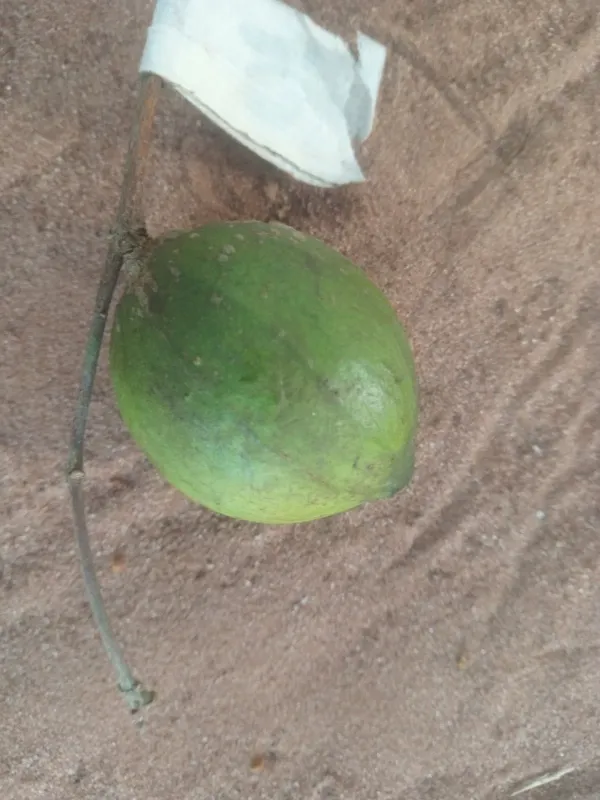
Description
Growing requirements
Rothmannia urcelliformis is a sophisticated evergreen shrub or tree belonging to the Rubiaceae family. Known for its distinctively marked, trumpet-shaped flowers, this plant serves as a prominent botanical specimen in tropical environments.
Originating from the tropical regions of Africa, this species thrives in forest understory habitats. It prefers sheltered locations where ambient humidity remains high and light is filtered rather than intense.
Successful cultivation requires strict adherence to climatic conditions, specifically avoiding frost and ensuring stable warmth. Ideally, the environment should mimic a humid forest setting to support healthy leaf development.
The substrate must be highly fertile and possess excellent drainage capabilities to mimic natural woodland soils. Regular fertilization during the active growing season is recommended to maintain the plant's structural integrity.
The plant is primarily utilized in ornamental horticulture for its aesthetic value in landscape design. Its ability to produce fragrant, long-lasting blooms makes it a desirable choice for conservatories and botanical collections.
Main diseases and pests
The primary pests affecting Rothmannia urcelliformis are common indoor insects, including mealybugs and spider mites. These pests typically thrive in environments with low air humidity and insufficient airflow around the foliage.
Fungal pathogens associated with dampness pose a serious risk to the plant's health. Maintaining good circulation and preventing water accumulation in the soil are the most effective ways to mitigate disease risks in a controlled environment.