
Rothmannia fischeri
Rothmannia fischeri
Description
Growing requirements
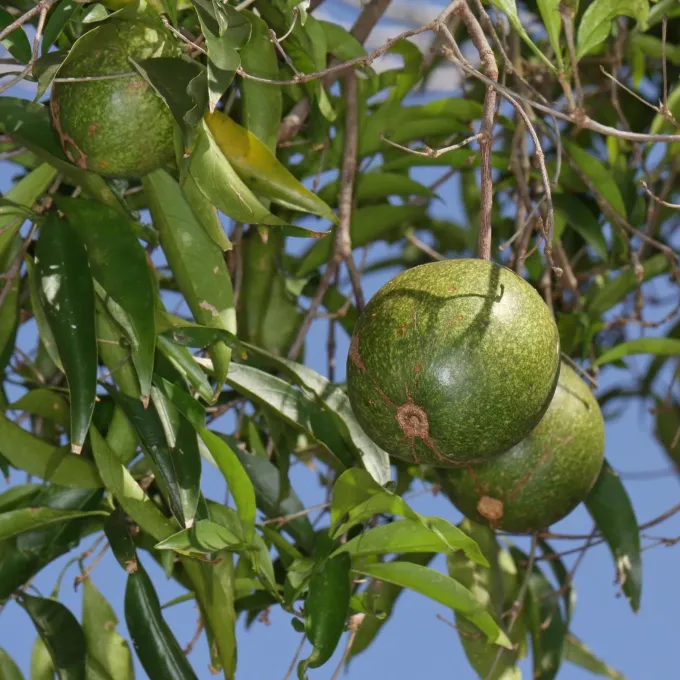
Rothmannia fischeri is a perennial evergreen shrub or small tree belonging to the Rubiaceae family. Native to the tropical regions of Eastern Africa, it typically thrives in forested areas and is known for its graceful habit and highly fragrant flowers.
The climate requirements for this species are strictly tropical. It demands consistently high temperatures throughout the year and is unable to tolerate frost or prolonged cold spells, which makes its outdoor cultivation limited to specific geographic zones.
For successful growth, the species requires fertile, well-draining soil rich in organic matter. Mimicking the forest floor's acidity and texture is crucial for maintaining the vigor of the plant, especially when it is grown in controlled environments or gardens.
The plant is widely celebrated for its large, white, tubular flowers that release a potent scent, especially in the evening. This makes it an excellent candidate for decorative gardening where the environmental conditions permit its full maturation.
Economically, while it does not serve as a mass-produced agricultural crop, it is utilized locally for its wood quality and medicinal properties derived from the bark and fruits, which play a role in traditional ethnomedicinal practices.
Main diseases and pests
The primary threats to Rothmannia fischeri include root rot diseases triggered by excessive moisture and poor drainage. Maintaining an appropriate balance of soil moisture is the most effective way to prevent the establishment of lethal fungal pathogens.
Pests such as aphids, scale insects, and spider mites can infest the foliage, particularly during dry seasons. These insects damage the leaves by extracting sap, which hampers the tree's photosynthetic capacity and weakens its overall growth.
Caterpillars and other leaf-chewing insects can also cause localized damage to the canopy. Regular inspections of the plant are necessary to detect early infestations and prevent significant loss of leaf area, which is vital for the plant's aesthetic value.
Environmental stress, such as exposure to strong winds or sudden changes in humidity, can leave the plant vulnerable to secondary infections. Ensuring a stable microclimate is essential for sustaining a healthy specimen throughout the growing season.
Management of these threats is best achieved through good agricultural practices, including proper spacing, balanced fertilization, and a proactive approach to monitoring the health of the plant canopy to ensure its long-term viability.