
Roseleaf sage
Salvia involucrata Cav.
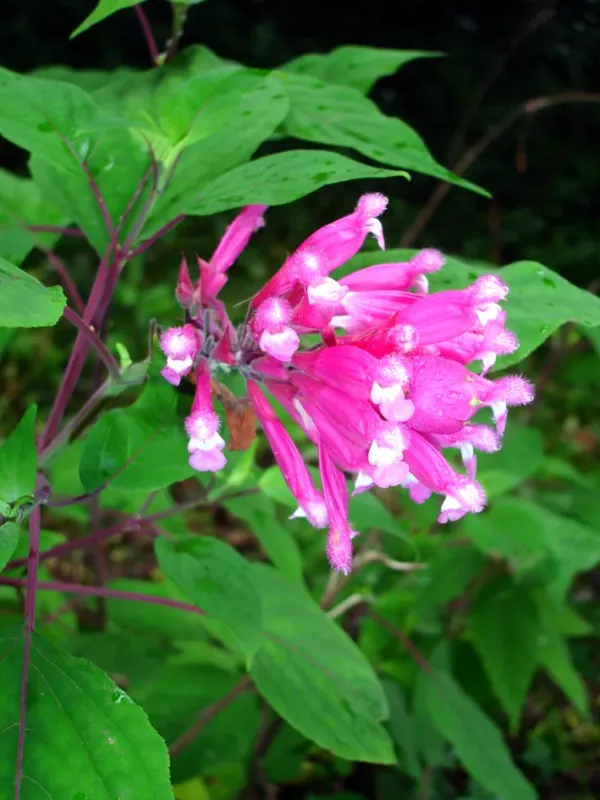
Description
Sowing dates
Salvia involucrata, commonly known as Roseleaf sage, is a member of the Lamiaceae family. Propagation is typically achieved through seeds sown indoors in early spring to establish strong seedlings before the frost-free season.
The seeds require light to germinate, so they should be pressed into the surface of a fine, moist growing medium without being buried deeply. Keeping the environment humid is essential during this stage.
Seedlings should be moved to larger pots once they develop their first set of true leaves. Proper spacing in the nursery stage ensures that plants grow sturdy stems rather than becoming thin and etiolated.
Hardening off the plants is a crucial step before transplanting them into the open field. This transition period helps the sage adapt to outdoor fluctuations in wind, light, and temperature.
Transplanting into the garden should occur only after the soil has warmed significantly, ensuring the root systems can quickly establish themselves in the permanent location.
Growing requirements
This species thrives in well-draining, fertile soils that provide adequate nutrients throughout the growing season. While adaptable, it performs best in slightly acidic to neutral soil types.
Consistent moisture is vital for this sage. While it can withstand brief dry spells, prolonged water stress will result in flower drop and reduced overall vigor, impacting the seasonal yield.
Regular fertilization with a balanced NPK fertilizer supports healthy vegetative growth. Increasing the ratio of potassium during the late summer encourages more vibrant and abundant inflorescences.
Pruning is an essential maintenance task. Removing spent flower spikes and thinning out old, woody stems encourages new growth and keeps the plant compact and productive for the next season.
The plant requires full sun to partial shade. In extremely hot climates, some protection from intense afternoon sunlight prevents leaf scorch and helps maintain soil humidity levels.
Yield
The economic value of Salvia involucrata is primarily focused on its ornamental output and potential use in floral displays. High-quality harvests depend on the plant's ability to maintain a dense, uniform habit.
Under optimal management, a single mature plant can produce numerous large flower spikes that bloom continuously from late summer until the first frosts of autumn.
For growers focusing on seed production, careful management of the harvest timing is necessary. Seeds should be collected once the bracts start to dry but before they naturally shatter and fall.
Effective weed management is necessary to ensure the plant does not compete for resources, which directly correlates to the quantity and quality of the decorative yield throughout the season.
Proper harvest of vegetative material for propagation purposes should be done using sharp, sterilized tools to ensure that the mother plant remains healthy and resistant to secondary infections.
Main diseases and pests
Aphids and whiteflies are the most common insect pests that target the soft tissue of the growing tips. These pests multiply rapidly in warm, sheltered environments, requiring prompt intervention.
Powdery mildew is a frequent issue in humid regions with poor air circulation. Symptoms appear as white, dusty spots on the foliage, which can eventually lead to leaf senescence if not treated.
Root rot, caused by various species of fungi, occurs primarily in areas with heavy, waterlogged soils. Ensuring excellent drainage is the most effective preventative measure against this deadly threat.
Slugs and snails can cause significant damage to young plants in the spring, eating the tender leaves overnight. Using barrier methods can effectively protect the plants during their most vulnerable stage.
Regular scouting for pest activity and early symptoms of disease allows for targeted control measures, minimizing the need for broad-spectrum chemical applications in the garden.