
Chinese azalea
Rhododendron molle (Blume) G. Don
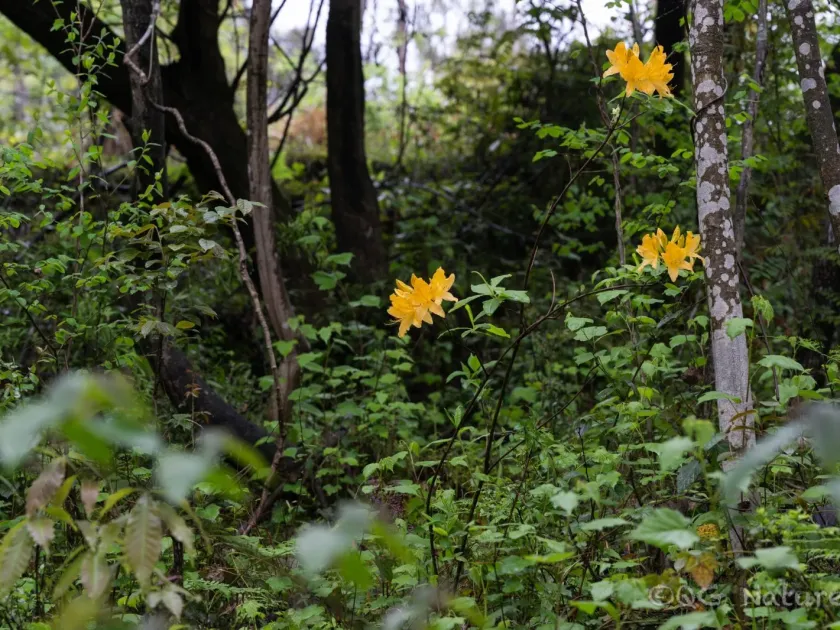
Description
Growing requirements
Rhododendron molle, commonly known as the Chinese azalea, is a deciduous shrub belonging to the Ericaceae family. Native to China, this species is highly valued for its striking, vibrant flowers that appear in spring before the foliage fully develops.
The plant thrives in acidic, well-drained soils rich in organic matter. A soil pH between 4.5 and 5.5 is critical for nutrient absorption; failure to maintain these levels often results in yellowing of leaves (chlorosis) and poor plant vigor.
Climate requirements involve cool, moist environments. In its natural habitat, the Chinese azalea occupies forest edges and mountainous slopes. Gardeners should replicate these conditions by providing dappled shade and protection from harsh, drying winds.
Proper cultivation includes consistent moisture management. While the plant requires plenty of water, it does not tolerate waterlogged soil, which invites root rot. Incorporating pine bark or peat moss into the soil helps maintain an ideal texture and acidity.
Fertilization should be handled carefully, using fertilizers specifically formulated for acid-loving plants. Over-fertilization can damage the delicate root system, so it is safer to apply smaller, frequent doses during the spring growing season.
Main diseases and pests
Phytophthora root rot is the most serious threat to Rhododendron molle, usually triggered by poor drainage. Preventing this requires careful site selection and ensuring that the planting hole has excellent drainage capabilities.
Insect pests, including lace bugs and spider mites, are common nuisances. Lace bugs suck sap from the leaves, causing a stippled appearance, while spider mites cause webbing and leaf discoloration in hot, dry weather conditions.
Botrytis blight can affect the flowers during humid, rainy spells. Removing faded or damaged blooms promptly is a standard practice to prevent the spread of fungal spores across the shrub's canopy.
Vine weevils are another potential problem, with larvae consuming the roots and adults feeding on leaf margins. Using systemic insecticides or biological controls, such as nematodes, can effectively manage these populations.
Integrated pest management (IPM) is recommended for long-term health. Regular inspections, maintenance of soil acidity, and proper spacing ensure that the Chinese azalea remains a robust and beautiful feature in the landscape.