
Rhododendron minus
Rhododendron minus Michx. var. minus
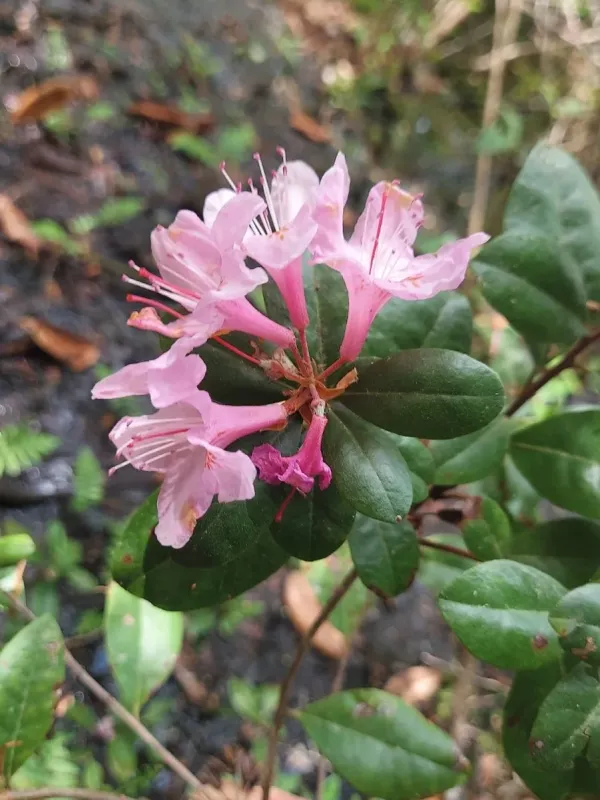
Description
Growing requirements
Rhododendron minus is an evergreen shrub belonging to the Ericaceae family, native to the Appalachian regions of North America. It is highly valued in ornamental horticulture for its clusters of pink or white flowers.
The success of this culture depends heavily on soil chemistry. It requires highly acidic, well-drained, and organic-rich soil. It is intolerant of heavy, clay-based soils that retain too much moisture and cause root rot.
In terms of light exposure, this species thrives in partial shade or dappled sunlight. It must be protected from harsh, direct afternoon sun and drying winds, which can easily scorch its delicate evergreen foliage.
Climate adaptability is a key feature, as it is relatively hardier than many other southern rhododendrons. It thrives in regions with consistent humidity and mild-to-moderate temperature shifts throughout the year.
Cultural practices include the mandatory application of mulch, such as pine needles or bark. This helps to regulate soil temperature, suppress weeds, and maintain the steady moisture levels required by the shallow root system.
Main diseases and pests
Fungal diseases remain the most significant threat to Rhododendron minus. Phytophthora root rot, leaf spots, and powdery mildew are common issues that typically arise from poor site selection or inadequate soil drainage.
Pests, particularly the rhododendron lace bug, represent a chronic problem in many gardens. These insects congregate on the undersides of leaves, causing a stippled appearance and overall plant decline.
Effective management involves maintaining good air circulation around the canopy and avoiding overhead watering, which promotes fungal growth. Sanitary pruning of dead or diseased branches is essential for plant health.
Chlorosis frequently occurs if the soil pH is not maintained at the required acidic level. This nutrient deficiency leads to yellowing leaves while the veins remain green, requiring immediate soil amendment with iron or sulfur.
Regular monitoring for spider mites, especially during hot and dry summer months, is recommended. Early detection ensures that infestation levels remain manageable without resorting to excessive chemical applications.