
Dwarf rhododendron
Rhododendron minus Michx.
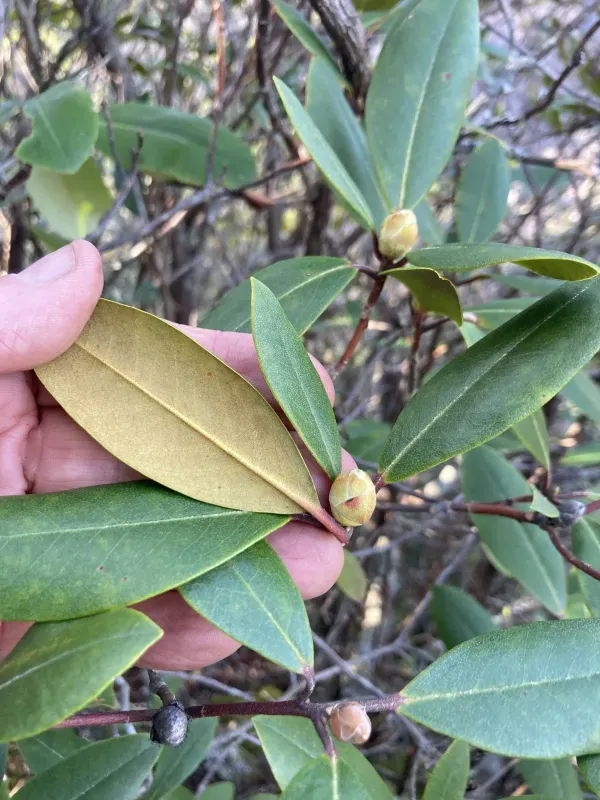
Description
Growing requirements
Rhododendron minus, known as the dwarf rhododendron, is a hardy evergreen shrub belonging to the Ericaceae family. It is native to the Appalachian Mountains in the United States, where it thrives in rocky, acidic environments, making it a valuable addition to woodland gardens.
The success of this culture depends largely on soil conditions; it requires an acidic, well-drained medium with high organic content. Mixing peat moss, pine bark, and coarse sand into the planting hole is recommended to mimic its natural habitat and ensure optimal root health.
Regarding light, this plant prefers dappled sunlight or partial shade. Exposure to intense midday sun, especially in hot climates, can dehydrate the leaves and cause permanent damage, so choosing a site with protection from harsh rays is essential for long-term survival.
Watering requirements are consistent: the soil should remain moist but never waterlogged. Because the root system is shallow and fibrous, mulching with pine needles or wood chips is necessary to retain soil moisture, suppress weeds, and maintain the required low pH levels.
Botanically, this species is noted for its beautiful trusses of pale pink to lavender-pink flowers. Its compact growth habit and relative cold hardiness make it a preferred choice for residential landscaping and botanical collections that focus on acid-loving woody plants.
Main diseases and pests
The primary health concerns for Rhododendron minus include root rot (Phytophthora) and various fungal leaf spot diseases. These pathogens often thrive in poorly drained soils, making adequate site preparation and moisture control the most effective preventative measures against infections.
Pest pressures primarily come from rhododendron borers, lace bugs, and spider mites. These pests can rapidly weaken the plant, causing yellowing foliage and stunted growth, which detracts from the shrub's aesthetic value and overall vigor during the growing season.
Integrated pest management strategies should be employed, including the use of horticultural oils for mites and targeted insecticides for sucking insects. Applications should be timed to avoid harming pollinators, as the flowers are highly attractive to bees.
Nutrient deficiencies, particularly iron or magnesium chlorosis, often manifest if the soil pH becomes too high. Applying specialized acidic fertilizers formulated specifically for ericaceous plants helps maintain vibrant green foliage and encourages consistent yearly bloom cycles.
Regular sanitation, such as pruning dead or damaged branches, is crucial to prevent the spread of diseases. Ensuring proper airflow through the canopy by avoiding overly dense planting helps reduce the humidity levels that favor fungal development.