
Rhododendron hybrid
Rhododendron minus carolinianum x dauricum sempervirens
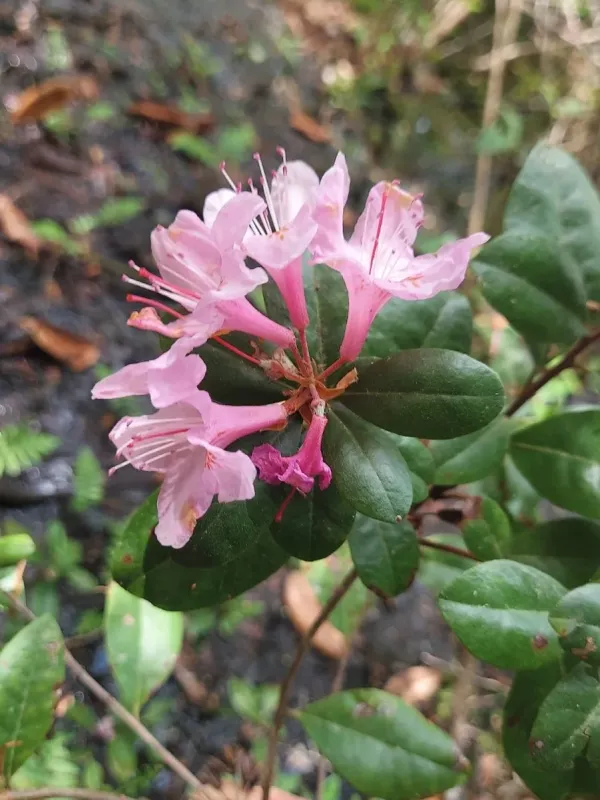
Description
Growing requirements
The genus Rhododendron belongs to the Ericaceae family and encompasses a wide range of evergreen and deciduous shrubs. This specific hybrid exhibits robust characteristics suitable for ornamental planting, requiring specific environmental conditions for optimal performance.
Success in cultivating these plants depends on providing highly acidic soil with a pH ranging from 4.5 to 5.5. The ideal growth medium is a porous, well-draining substrate composed primarily of organic matter such as peat moss and coniferous needles.
Location selection is critical, as these plants thrive in partial shade. Excessive exposure to direct sunlight can cause leaf desiccation and significant heat stress, particularly in regions with high mid-summer temperatures.
Water management involves consistent moisture levels using acidified water to maintain the required soil acidity. Proper drainage is essential to prevent root rot, as the root system is extremely sensitive to waterlogged, anaerobic conditions.
Mulching is a standard agronomic practice to protect the shallow root system. A thick layer of pine bark or leaf mold helps regulate soil temperature, preserve moisture, and encourage beneficial fungal activity within the root zone.
Main diseases and pests
Fungal pathogens such as Phytophthora root rot and powdery mildew pose the greatest threat to plant health. Effective control requires proper spacing to ensure air circulation and the application of appropriate systemic fungicides when necessary.
Insect pests, including the rhododendron bug, spider mites, and vine weevils, can significantly damage foliage and reduce vigor. Early detection through regular monitoring and the use of targeted insecticides remain the primary control strategies.
Iron chlorosis is a common nutrient deficiency resulting from high pH levels that render iron unavailable to the plant. This is corrected by applying chelated iron supplements and managing the soil chemistry to restore ideal acidity.
Winter care is vital for evergreen varieties to prevent winter burn. Protecting the foliage from drying winds and ensuring adequate soil moisture before the ground freezes are essential for successful overwintering in colder climates.
Pruning should be limited to the removal of dead or diseased branches immediately after the flowering period. Avoiding heavy pruning maintains the natural habit of the shrub and ensures the preservation of flower buds for the following season.