
Rhododendron macrosepalum
Rhododendron macrosepalum Maxim.
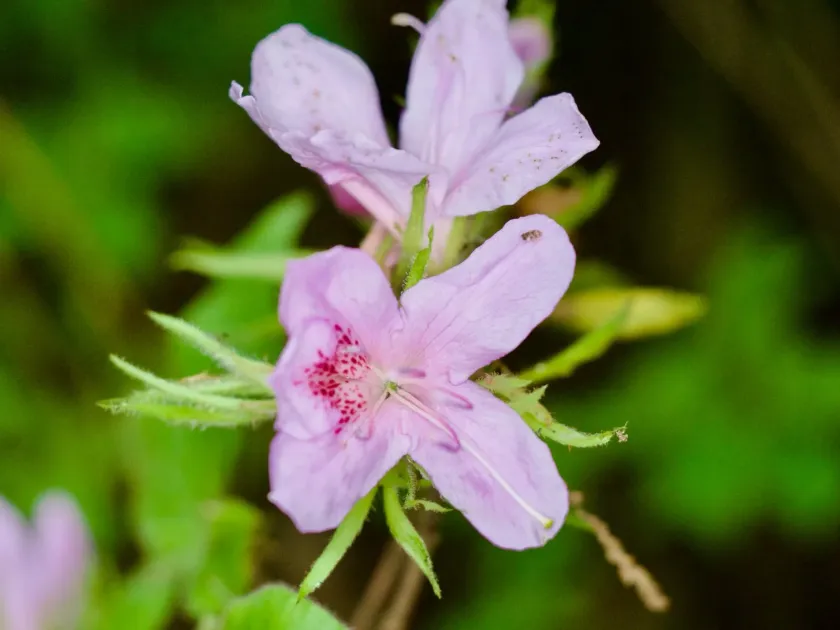
Description
Growing requirements
Rhododendron macrosepalum is a distinguished member of the Ericaceae family, native to the temperate forests of Honshu Island, Japan. This species is recognized for its unique, sticky sepals and vibrant, funnel-shaped flowers that appear in early spring.
Successful cultivation relies on mimicking its native habitat by providing acidic, well-draining soil rich in organic matter. A mixture consisting of pine bark, peat moss, and sand is highly recommended to maintain the necessary pH levels and prevent waterlogging around the roots.
The plant thrives in partial shade conditions, protected from harsh, direct sunlight that can damage its delicate foliage. It requires a humid microclimate, which can be achieved through regular mulching and consistent watering, especially during the active growing season.
In terms of climate, Rhododendron macrosepalum prefers cool summers and moderate winters. In colder regions, providing winter protection, such as burlap covers or thick organic mulch around the base, is essential to prevent frost damage to the shallow root system.
Beyond its aesthetic appeal, this plant is valued for its versatility in ornamental landscaping. It works well as a focal point in woodland gardens or as part of a mixed border where acidic-loving plants can flourish together under a canopy of larger trees.
Main diseases and pests
Common fungal issues include root rot, often caused by poor drainage, and powdery mildew, which can appear in poorly ventilated areas. Ensuring good air circulation and maintaining proper moisture levels are the best preventative measures against these pathogens.
- Azalea lace bug
- Spider mites
- Root weevils
- Nivicultural fungi
- Leaf spot pathogens
Pest management should focus on early detection of insects such as lace bugs or mites. If infestation occurs, horticultural oils or systemic insecticides should be applied according to the manufacturer's instructions to protect the foliage integrity.