
Rauhia
Rauhia
Rauhia is a genus of perennial succulent plants belonging to the Amaryllidaceae family. Native to the arid, rocky regions of Peru, these plants have evolved specific adaptations to thrive in harsh environments characterized by low rainfall and high solar radiation.
What the section contains


Rauhia
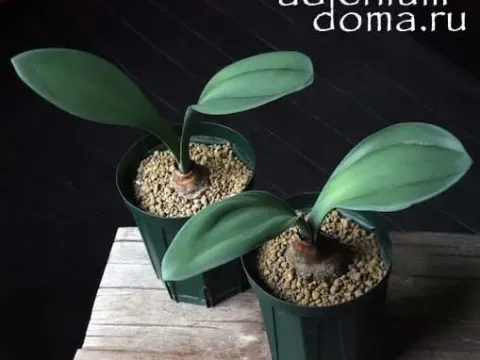
Botanically, Rauhia is distinguished by its large, succulent, often exposed bulbs and broad, fleshy leaves with prominent venation. The plant undergoes a distinct vegetative cycle, cycling between growth and dormancy periods, which is vital for its long-term survival in container cultivation.
Environmental requirements include bright, direct sunlight throughout the active growing season. Adequate ventilation is essential to mimic the breezy mountain slopes of their origin and to prevent the buildup of stagnant heat around the foliage.
Soil composition must be highly porous to ensure efficient drainage. A successful substrate typically consists of a mix of coarse sand, perlite, pumice, and a minimal amount of well-draining organic potting soil. This structure prevents water from pooling around the bulb's basal plate.
The primary use of Rauhia is within the horticultural sector, specifically among collectors of rare desert and succulent plants. Its aesthetic value is derived from its unique, structural form and distinctive inflorescences that appear as the plant emerges from its dormancy phase.
The most significant threat to Rauhia is moisture-related rot, particularly basal rot caused by poor soil drainage or excessive watering during the dormancy period. Once the bulb tissues begin to decompose, recovery is often difficult.
Common pests affecting this culture include mealybugs and scale insects. These pests tend to congregate in the axils of the leaves or at the base of the bulb, where they are protected by the plant's structural folds, making manual removal difficult.
Spider mites can also be problematic if the ambient air remains too dry and stagnant for extended periods. Their presence is usually signaled by fine webbing or stippling on the leaves, which significantly impacts the plant's ability to photosynthesize effectively.
Pest management relies on the early identification of infestations. Systemic insecticides are generally effective, though application must be performed with care to avoid phytotoxicity on the sensitive leaves of the succulent.
Cultural practices such as strict monitoring of soil moisture and proper spacing of plants in greenhouses are the best defenses. Providing a dormant period with significantly lower temperatures and near-zero watering is essential to maintaining overall vigor and disease resistance.