
Rauhia decora
Rauhia decora
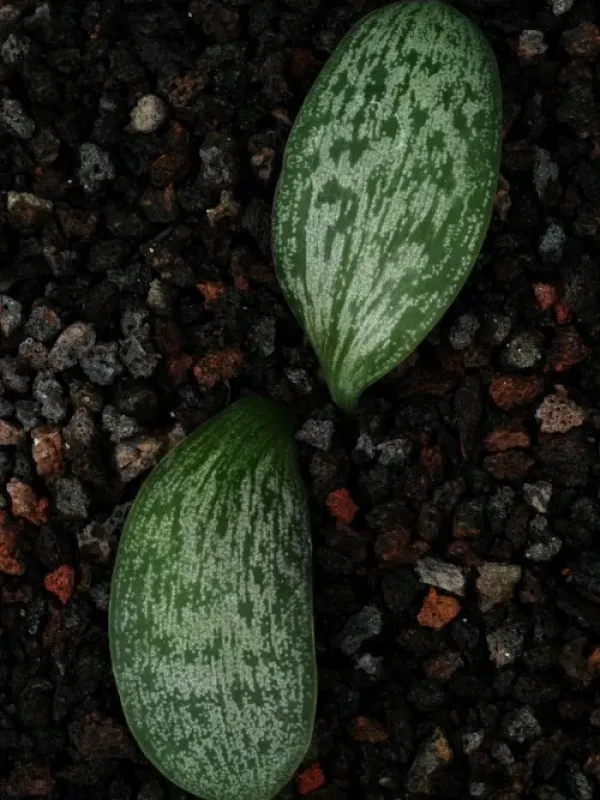
Description
Growing requirements
Rauhia decora is a distinctive bulbous plant species belonging to the Amaryllidaceae family. Native to the arid and rocky slopes of Peru, it is highly adapted to life in environments with scarce water resources.
Botanically, the plant is characterized by a large, persistent bulb and leathery, grayish-green leaves. These features allow the plant to store significant reserves of water, making it a true succulent adapted for drought resistance.
Cultivation requires a very well-draining, gritty, and mineral-based substrate. Standard potting mixes are unsuitable; instead, a blend involving perlite, pumice, and minimal compost is recommended for successful development.
The plant thrives in high-light conditions and should be placed in a sunny position to maintain its compact growth habit and proper coloration. Excessive shade can lead to leggy, weak growth and make the plant susceptible to rot.
Watering should be carefully managed, following a strict cycle: generous watering during the growing season and a period of absolute dryness during the winter dormancy to mimic its native climatic cycle.
Main diseases and pests
The most significant threat to Rauhia decora is overwatering, which rapidly leads to root rot and fatal decay of the plant bulb.
Fungal infections, particularly those affecting the root system, thrive in stagnant water and poor ventilation conditions, often resulting in sudden plant collapse.
Pests such as mealybugs and spider mites are common enemies that thrive in warm, dry environments and can cause severe stress to the plant.
Integrated pest management strategies should focus on keeping the foliage clean and ensuring that the environmental humidity remains within optimal, non-stagnant ranges.
Regular monitoring of the bulb firmness and leaf health is essential for early detection, allowing for quick intervention with suitable fungicides or insecticides if problems arise.