
Rhodophiala
Rhodophiala
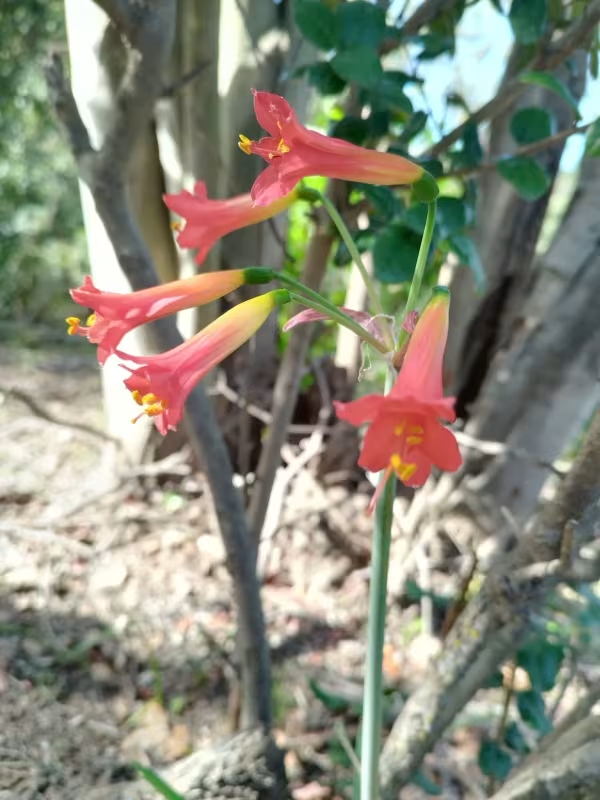
Description
Growing requirements
Rhodophiala is a genus of perennial bulbous plants belonging to the Amaryllidaceae family. Native to South America, particularly Chile and Argentina, these plants are known for their striking lily-like flowers that bring vibrant colors to late-season landscapes.
The botanical structure consists of a bulb that enters a dormant state, from which foliage and flowering stalks emerge. The leaves are typically narrow and strap-shaped, providing a subtle aesthetic contrast to the vivid, funnel-shaped inflorescences.
Successful cultivation requires soil that mimics the plant's native habitat: well-drained, porous, and nutrient-rich. In containers, a substrate with high mineral content is preferred to prevent moisture retention that could lead to bulb decay.
Climate requirements include plenty of sunlight and a Mediterranean-style seasonal cycle. Protecting the bulbs from freezing temperatures and ensuring they stay dry during the dormancy phase are the most critical factors for successful perennial performance.
The primary use of Rhodophiala is in specialized horticulture and ornamental display. Due to the difficulty in sourcing some species, they remain a sought-after subject for botanical collectors and greenhouse enthusiasts interested in rare bulbs.
Main diseases and pests
The most common disease threat is bulb rot caused by excessive soil moisture and poor drainage. Fungal pathogens can quickly destroy the root system, so managing irrigation cycles is essential for plant longevity.
Pest issues include Narcissus bulb flies, which can decimate a collection from within the soil. Additionally, common greenhouse pests like spider mites and mealybugs can infest the foliage, requiring diligent monitoring and prompt application of appropriate pesticides.