

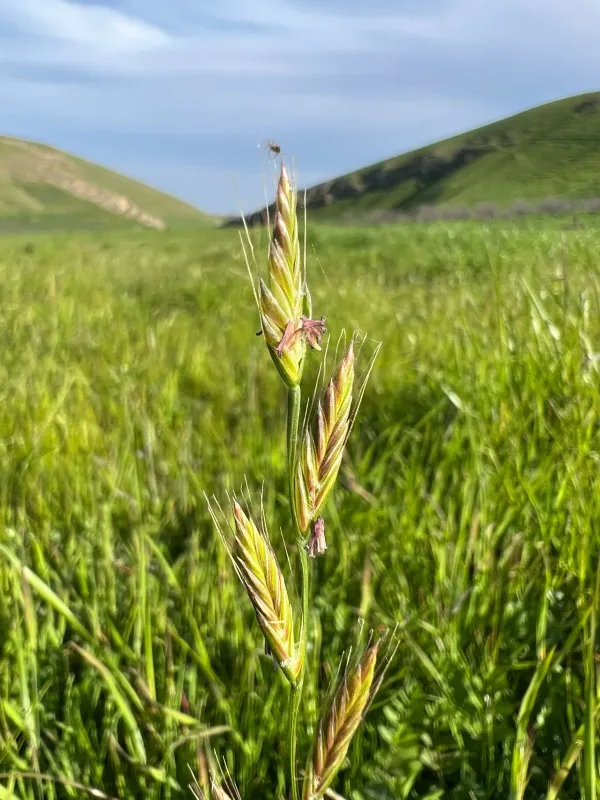
Description
Sowing dates
Italian ryegrass (Lolium multiflorum) is a fast-growing annual grass widely used for high-quality forage production. Sowing is typically performed in early spring or late summer, depending on the climate, ensuring that soil moisture levels are adequate for uniform seed germination and initial establishment.
The seeding rate varies between 20 to 30 kilograms per hectare, depending on whether the crop is grown in pure stands or as part of a mixture with legumes. Proper seedbed preparation is crucial; the soil should be fine-textured to ensure the small seeds maintain close contact with the earth.
Planting depth should be kept shallow, generally between 2 and 3 cm, to allow the seedlings to emerge quickly without exhausting their energy reserves. Rolling the field immediately after sowing is a standard practice to improve soil-to-seed contact, which significantly enhances emergence rates.
Italian ryegrass is known for its excellent tillering capacity, which allows it to form a dense canopy that effectively suppresses weed growth early in the season. Consistent moisture is vital during the establishment phase, as the young plants are highly sensitive to drought until they develop a robust root system.
In intensive farming systems, split applications of nitrogen fertilizers after each harvest are essential to maintain high growth rates throughout the season. Proper timing of these inputs ensures that the grass can express its maximum yield potential during its short, productive lifecycle.
Growing requirements
This crop thrives in fertile, well-drained loam soils with a pH ranging from 6.0 to 7.0. While Italian ryegrass can tolerate various soil types, its performance is significantly superior in nutrient-rich environments where organic matter content is high and moisture is readily available.
Water availability is the primary limiting factor for yield, as the crop is not well-adapted to prolonged drought conditions. In arid or semi-arid regions, irrigation is often necessary to prevent early heading and the subsequent decline in forage quality caused by thermal and moisture stress.
Temperature plays a significant role in the plant's development, with an optimal range between 15 and 22 degrees Celsius for vegetative growth. Exposure to extremely high temperatures usually triggers a rapid transition to the reproductive phase, resulting in stems becoming woody and less palatable for livestock.
Italian ryegrass is highly responsive to nitrogen fertilization, which is the most critical nutrient for maximizing biomass production. Phosphorus and potassium are also necessary for strong root development and overall plant resilience, especially in soils that have been depleted by previous cereal crops.
Light intensity is another critical requirement, as the plant prefers open, sunny conditions. Shading from other crops or trees can lead to etiolated growth, reduced tillering, and increased susceptibility to lodging, which complicates mechanical harvesting and lowers the quality of the harvested material.
Yield
Under optimal management and favorable climatic conditions, Italian ryegrass can yield three to four cuts per season. Total biomass production can reach 30 to 50 tonnes of fresh matter per hectare, making it one of the most efficient annual forage crops available for intensive farming.
The nutrient density of the grass is at its peak during the late tillering and early booting stages. Harvesting before the full flowering stage is essential, as the accumulation of lignin significantly reduces protein content and digestibility, making the forage less valuable for dairy or beef cattle.
Dry matter yields typically range from 8 to 12 tonnes per hectare, depending on the fertility of the soil and the frequency of harvests. High nitrogen application rates are usually justified by the significant increase in yield, provided that there is enough water to support the accelerated growth.
As a pasture crop, Italian ryegrass provides high-quality grazing material that supports rapid weight gain in livestock. Managed intensive rotational grazing is recommended to ensure that the plants have adequate time to recover between grazing periods, which maintains long-term field productivity.
Effective weed control during the establishment phase is vital to protect the potential yield. Since Italian ryegrass is a vigorous grower, it usually dominates any potential weed competition if the crop is established correctly and provided with appropriate nutrition and moisture.
Main diseases and pests
Common fungal diseases such as rust (Puccinia spp.) and powdery mildew can significantly impact plant health, especially in humid conditions with limited airflow. These diseases reduce the leaf surface area, thereby limiting the plant's photosynthetic capacity and overall biomass production.
Leaf spot diseases like Helminthosporium are frequently observed in wet, warm weather, further compromising the quality of the forage. Implementing crop rotation and ensuring timely harvest are the most effective preventive measures against these common foliage pathogens.
Pests such as cereal flies, aphids, and leafhoppers can cause damage to developing seedlings or suck sap from the leaves, weakening the plants. Monitoring fields and applying selective insecticides when necessary can prevent major infestations that would otherwise stunt the crop's growth.
Root rot issues can occur in waterlogged soils, leading to thinning of the stand and increased mortality rates. Improving field drainage is critical to ensuring a uniform and healthy crop, particularly in regions prone to heavy rainfall or poor soil structure.
Managing the risk of disease and pests requires an integrated approach that includes using resistant cultivars and maintaining strict field hygiene. Avoiding late-season residues and keeping the soil balanced with nutrients helps the plants survive and recover from minor pest pressures.
Harvesting
Harvesting for silage or hay should be timed precisely to capture the grass at its peak nutritional state. For silage, the grass should be cut, wilted to the target dry matter percentage, and ensiled efficiently, with proper compaction to ensure anaerobic conditions are established quickly.
Hay production requires careful handling, as the high moisture content of the stems makes drying slower than other grasses. Using hay conditioners and proper mechanical turning of the windrows is necessary to achieve the desired moisture levels for safe storage without mold growth.
Subsequent cuts should be made every 30 to 40 days, depending on environmental growth factors. Careful monitoring of the plant height ensures that the next cycle of growth starts without delay, preventing the crop from becoming too mature and losing its nutritional value.
Mechanical equipment should be adjusted to a cutting height of about 5-7 cm. This ensures that the base of the plant remains intact, which is crucial for quick regrowth of the aftermath and long-term sustainability of the pasture or hay field.
Effective harvest management is the final step in securing a high-quality forage supply for the year. Ensuring that equipment is calibrated correctly and that harvest occurs during clear weather windows significantly increases the economic return of the Italian ryegrass crop.
Content graph
Connections · Italian ryegrass
Most often together:
Marketplace
Products · 16


Bentagran AS
Nanjing No.1 Pesticide Factory of Red Sun Group Co., Ltd.
Herbicides
0
0
·
999
No offers
—
Details


Lontrel 300, SL (Lontrel 300, SL)
Доу АгроСайенсіс С.А.С., Друзенхайм, Франція
Herbicides
0
0
·
42
No offers
—
Details