
Flax darnel
Lolium remotum Schrank
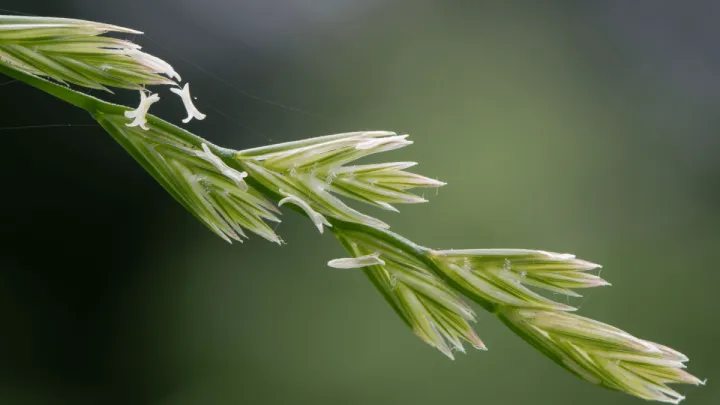
Description
Sowing dates
Flax darnel is an annual grass species that has evolved as a specialized companion weed in flax fields. Its life cycle is strictly synchronized with the phenology of its host crop.
Seed germination typically occurs in early spring, coinciding with the sowing dates of flax, allowing the weed to establish itself alongside the crop.
The plant exhibits rapid initial growth, ensuring it can compete effectively for light and nutrients in the early developmental stages of the flax plant.
The maturation of flax darnel is completed within the same timeframe as the flax, facilitating its success as an agricultural weed.
Due to its high adaptability, the plant can successfully emerge even under variable soil conditions, provided they are favorable for flax cultivation.
Growing requirements
Flax darnel thrives in fertile, well-drained soils that offer consistent moisture levels throughout the growing season.
The plant is sensitive to severe shading and prefers open, sunny environments where it can maximize its photosynthetic activity.
Environmental conditions common in temperate flax-growing regions, such as moderate rainfall and temperature, are ideal for its development.
Good agricultural practices, such as rigorous cleaning of seeds, are essential to prevent the spread of this species within agricultural systems.
The species prefers soils with a near-neutral pH, aligning with the soil requirements typically managed for high-quality flax production.
Main diseases and pests
Flax darnel can be affected by common grass diseases, including rust and various fungal leaf spot pathogens, which can reduce its biomass.
Insects such as cereal leaf beetles and aphids are potential pests that may utilize the plant as a secondary host during the growing season.
The primary economic threat posed by flax darnel is the contamination of flax seeds, making the product unsuitable for high-quality market requirements.
The morphological similarity between flax and flax darnel seeds makes mechanical separation difficult, requiring advanced grading equipment.
Integrated weed management, including rotation and targeted herbicide application, is necessary to mitigate the impact of this plant in commercial fields.
Harvesting
The harvesting of flax darnel occurs concurrently with the flax harvest, often resulting in high levels of seed contamination in the collected grain.
Preventing the dispersal of mature seeds before harvest is critical, as the species is prone to seed shedding under mechanical stress during cutting.
Post-harvest processing involves the use of specialized screening and gravity separators to remove the weed seeds from the harvested material.
Efficient combine adjustments and cleaning cycles are required to minimize the retention of weed seeds within the machinery.
Reducing the weed population in the field before harvest is the most sustainable approach to ensure pure crop yields in future seasons.