
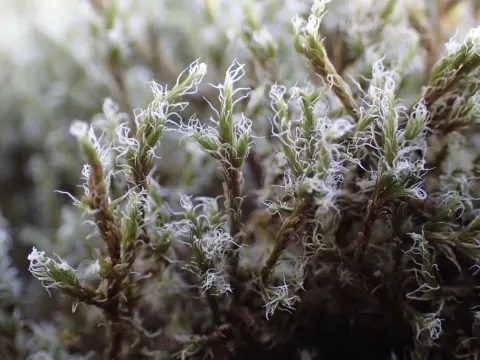
Racomitrium
Racomitrium Brid.
Racomitrium is a genus of pleurocarpous mosses belonging to the Grimmiaceae family. While not an agricultural crop in the traditional sense, this plant is widely recognized in specialized landscaping and environmental restoration projects for its unique ability to thrive in extreme conditions.
What the section contains

Racomitrium
The genus is distributed globally, primarily in temperate and arctic regions. Racomitrium species typically inhabit rocky outcrops, volcanic substrates, and dry stony meadows, where they form dense, felt-like mats that protect the surface from wind and water erosion.
Requirements for cultivation include a well-drained, mineral-rich substrate. Unlike many commercial crops, Racomitrium thrives in nutrient-poor environments and cannot tolerate nitrogen-rich fertilizers, which trigger an overgrowth of invasive vascular plants and destroy the moss colony.
Sunlight exposure is crucial for the development of healthy, compact mats. The plants prefer open areas with ample light and good air circulation. In cultivation, it is essential to replicate these environmental parameters to ensure consistent growth and deep coloration.
Care practices for this moss are focused on maintenance rather than active farming. The key is to keep the moss bed clear of debris and leaf litter, which could otherwise suffocate the slow-growing moss colonies and promote harmful fungal colonization.
The primary threat to Racomitrium populations is atmospheric pollution. Being a bryophyte, it absorbs water and minerals directly from the air, making it extremely vulnerable to acid rain and high levels of sulfur dioxide and nitrogen compounds found in urban environments.
Biological threats include the invasion of flowering plants that compete for light and space. If not managed through manual weeding, these plants quickly overwhelm the moss mat, causing it to become patchy and eventually leading to its displacement from the site.
Poor ventilation and constant soil moisture are hazardous for the plant's long-term health. Excessive water retention in the substrate leads to rot and the development of pathogenic mold, which requires physical removal and the immediate correction of drainage properties of the growing surface.