
Racomitrium japonicum
Racomitrium japonicum Dozy & Molk.
Description
Growing requirements
Racomitrium japonicum is a perennial moss species belonging to the Grimmiaceae family. It is recognized for its dense, mat-forming growth habit, creating lush green carpets that are highly valued in horticultural and landscape design projects.
This species is native to East Asia, with a primary distribution across Japan, Korea, and parts of the Russian Far East. It typically thrives in temperate, moist environments, often colonizing rocky outcrops, stony crevices, and damp forest soils where humidity remains consistently high.
Cultivation requirements for this moss include acidic to neutral substrates that provide excellent moisture retention without becoming waterlogged. High atmospheric humidity is essential, as the plant absorbs nutrients and water primarily through its leaves rather than through a traditional root system.
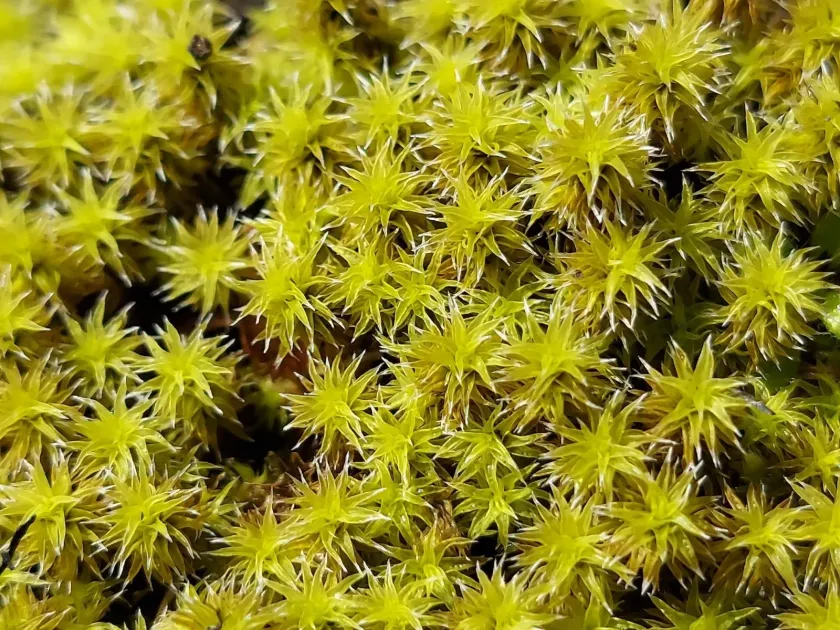
Botanically, it features specialized leaves often tipped with hyaline hair-points, which help to reflect excess solar radiation and trap moisture from fog or dew. This adaptation makes the moss highly resilient in its natural habitat, allowing it to withstand fluctuating environmental conditions.
In landscaping, Racomitrium japonicum is utilized to create serene moss gardens, terrariums, and to stabilize soil on rocky embankments. It is an excellent choice for erosion control in shade-dominant landscapes where standard turf grass would fail to establish.
Main diseases and pests
Fungal infections and bacterial rot are the primary threats to the health of the moss, especially in poorly ventilated greenhouse or indoor environments. Stagnant air and excessive moisture levels often lead to the development of mold on the underside of the moss carpet.
Pests such as collembola (springtails) and certain species of mites can infest moss colonies, causing patches of degradation. Maintaining clean conditions and providing adequate airflow are the most effective ways to manage potential pest populations without resorting to harsh chemicals.
Environmental sensitivity is a significant constraint, as this species is highly susceptible to chemical pollution and water impurities. High concentrations of chlorine, heavy metals, or salts in irrigation water can rapidly lead to the discoloration and death of the colony.
Exposure to intense, direct sunlight during the warmer months poses a serious risk of dehydration and thermal burn. Without the protective canopy of trees or artificial shade structures, the delicate moss tissues quickly lose their structural integrity and turn brown.
Effective management includes regular maintenance to remove leaf litter and foreign organic debris that could harbor pathogens or impede growth. Providing consistent, pure water and protected placement is key to long-term success in cultivating this delicate bryophyte.