
Potentilla sundaica
Potentilla sundaica (Miq.) W. Theob.
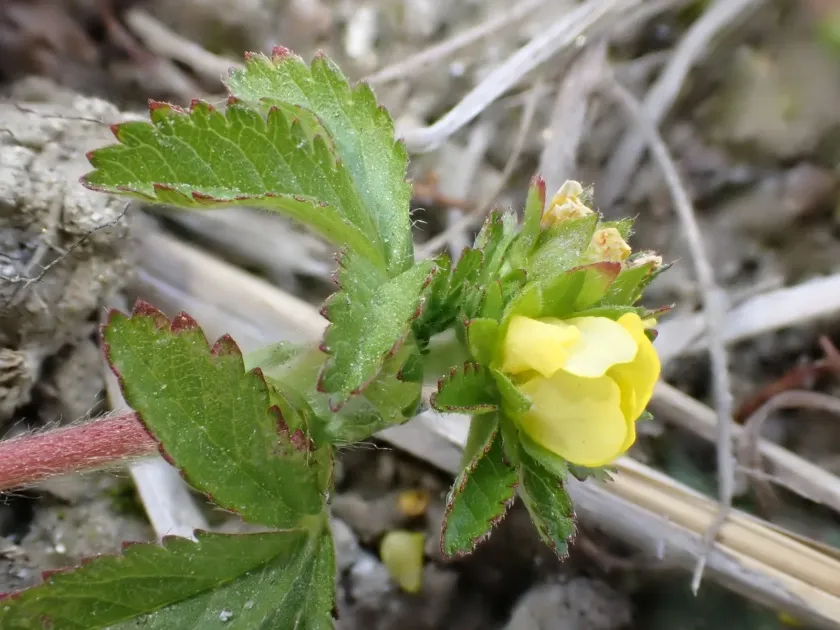
Description
Growing requirements
Potentilla sundaica is a perennial herbaceous plant belonging to the Rosaceae family. It is recognized by its complex leaves and small, vibrant yellow flowers that bloom during the active growing season.
Native to East Asia, this species thrives in diverse habitats including mountain slopes, meadows, and open woodland edges, demonstrating a high level of ecological plasticity in its natural environment.
The plant prefers well-drained, fertile soils with a neutral pH level. It is highly valued for its hardiness, as it can withstand significant variations in temperature and seasonal weather changes.
Regarding cultivation, providing adequate sunlight and consistent moisture is crucial for reaching the maximum growth potential, especially during the early development phase of the perennial crop.
Economically, this species is cultivated primarily for its medicinal properties, with research focusing on its flavonoid content used in traditional pharmacological applications and regional herbal medicine.
Main diseases and pests
The most common disease affecting this crop is powdery mildew, which typically occurs when environmental conditions lead to excessive humidity and poor air circulation around the plants.
Common insect pests include aphids and spider mites, which feed on the foliage and stems. Infestations can cause stunted growth and significantly decrease the quality of the raw material.
To maintain plant health, it is essential to monitor the field regularly and implement cultural practices such as proper spacing to ensure adequate airflow within the crop rows.
Integrated pest management strategies should be prioritized, utilizing biological controls where possible to manage populations of sap-sucking insects during the vegetation period.
Sanitation practices, including the removal of dead or diseased plant debris after the harvest, are critical to prevent the overwintering of pathogens and reduce future pest pressure.