
Nepal cinquefoil
Potentilla nepalensis Hook.
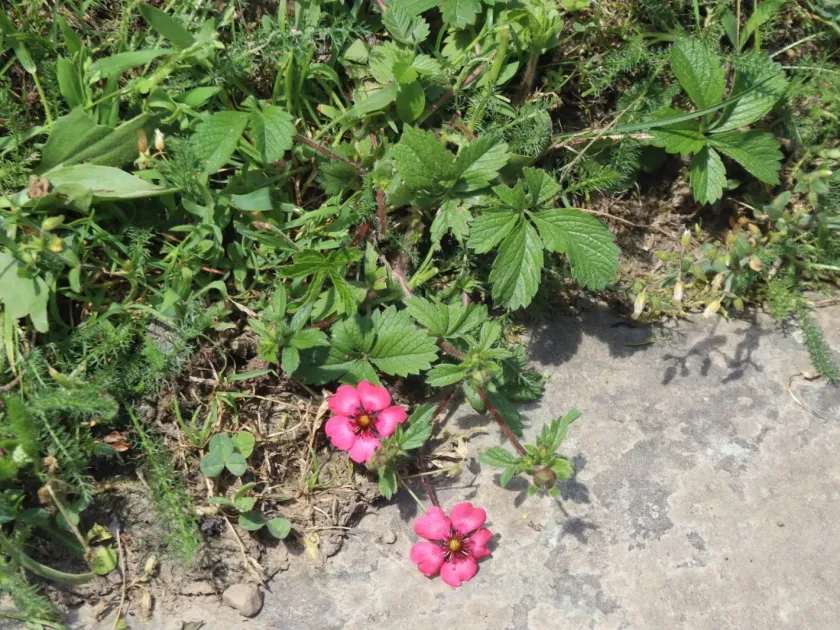
Description
Sowing dates
Seeds of Potentilla nepalensis are typically sown indoors in late winter or early spring. Pre-chilling the seeds (stratification) for several weeks is highly recommended to improve germination rates significantly.
For outdoor sowing, the best time is mid-spring when the danger of hard frosts has passed. Surface sowing is preferred, as the tiny seeds require light to germinate effectively and should only be pressed into the soil.
Maintain an optimal soil temperature of about 18 to 20 degrees Celsius. Keep the substrate consistently moist but not waterlogged until the seedlings emerge, which usually occurs within two to three weeks.
Prick out the seedlings once they have developed their first true leaves. Handle them with care to avoid root damage, as Potentilla plants are sensitive to transplanting when young.
Propagation by division is an alternative and faster method. Established plants should be lifted and divided in early spring or autumn to ensure successful rooting in the new location.
Growing requirements
Nepal cinquefoil is a member of the Rosaceae family, native to the Himalayas. It is a hardy herbaceous perennial that thrives in cool to temperate climate zones, making it an excellent addition to alpine or rock gardens.
The plant demands well-draining, moderately fertile soil. While it can adapt to various soil types, it performs best in slightly acidic or neutral conditions where organic matter has been incorporated.
Regarding light, it prefers full sun but appreciates some afternoon shade in regions with extremely hot and intense summers. Sufficient sunlight is crucial for producing its vibrant, saucer-shaped flowers.
Water requirements are moderate. Once established, the plant shows some drought tolerance, but regular watering during the peak growing season ensures lush foliage and prolonged blooming periods.
Winter care is simple, as the plant is quite hardy. However, applying a layer of mulch around the base in late autumn can help protect the roots during periods of extreme temperature fluctuations.
Main diseases and pests
Powdery mildew is the most common fungal issue for this species, especially in humid or poorly ventilated conditions. It presents as a white, dusty coating on the leaves, which can stunt plant growth.
Leaf spots caused by various fungi may appear during rainy seasons. Maintaining good hygiene by removing and disposing of infected plant material is essential for disease control.
Aphids can infest the tender growth tips and flower buds during the spring. If left untreated, they can weaken the plant and transmit viral diseases, requiring intervention with insecticidal soaps or neem oil.
Spider mites might attack in hot, dry weather. Regular inspection of the underside of leaves is recommended, as these pests can cause yellowing and fine webbing on the plant foliage.
To prevent these threats, ensure adequate spacing between plants to allow for airflow and avoid overhead watering, which creates the damp conditions that fungal spores need to thrive.
Harvesting
Nepal cinquefoil is grown for its aesthetic value. Deadheading spent flowers throughout the summer is a key maintenance task that encourages the plant to put energy into new buds rather than seed production.
At the end of the growing season, cut the entire plant back to the ground level. This practice helps the plant concentrate its energy in the root system, ensuring it returns vigorously the following spring.
If you intend to collect seeds, leave the final blooms on the plant until the seed heads turn dark brown. Harvest on a dry day to prevent mold development during storage.
The plant may be divided every 3 to 4 years to maintain its health and vigor. Overcrowded clumps often show reduced blooming, so thinning is necessary to keep the perennial healthy.
While not a primary commercial crop, the foliage can occasionally be used in mixed floral arrangements, provided the stems are harvested in the early morning and placed immediately in cool water.