
Silver cinquefoil
Potentilla argentea L.
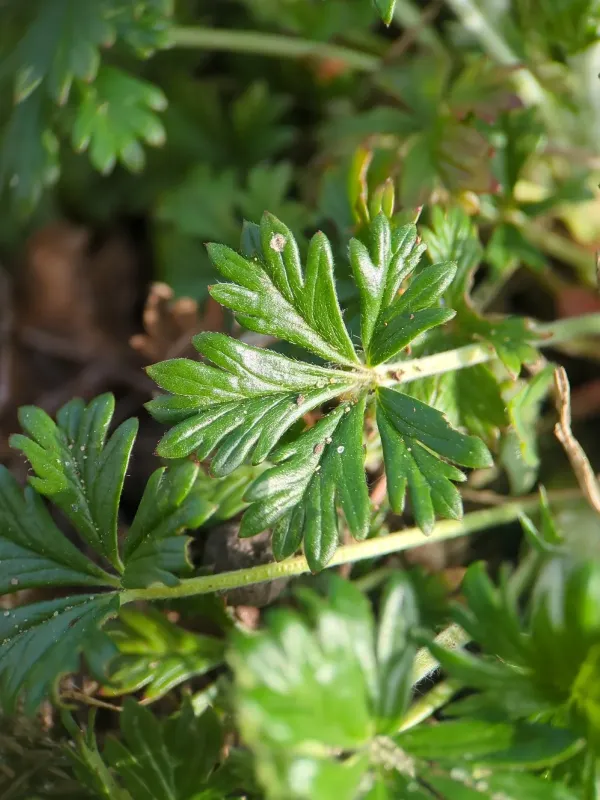
Description
Sowing dates
Silver cinquefoil (Potentilla argentea L.) is a hardy perennial belonging to the Rosaceae family. It is widely recognized for its adaptability to various soil types.
Seeds are typically sown in late autumn to benefit from natural winter stratification, which is essential for uniform germination in the following spring.
If spring sowing is required, seeds must be kept in cold storage at near-freezing temperatures for at least one month before planting in the field.
Seeds should be sown shallowly, as they require a minimal amount of light to trigger the germination process successfully after the cold phase.
Proper spacing is crucial for crop development; maintaining at least 25 cm between plants allows for optimal airflow and reduces the risk of fungal infections.
Growing requirements
The plant is highly drought-tolerant, featuring characteristic silver-colored hairs on the underside of the leaves that help minimize water loss through transpiration.
Potentilla argentea thrives in full sunlight. Shade exposure significantly reduces its vigor and limits the production of medicinal secondary metabolites.
It prefers well-drained, sandy, or rocky soils. It is particularly valued in land reclamation for its ability to grow on degraded and nutrient-poor sites.
The crop is highly resistant to extreme temperatures, showing excellent winter hardiness across a wide range of temperate geographic zones.
Soil pH levels should ideally be neutral or slightly alkaline, though the plant shows remarkable plasticity across various chemical compositions of the soil.
Main diseases and pests
While generally robust, the plant can suffer from powdery mildew if grown in conditions with high humidity or poor ventilation between individual plants.
Root rot is a common issue when the plant is grown in heavy, waterlogged soils, which prevents the roots from accessing sufficient oxygen.
Aphids represent the primary insect pest, often clustering on the soft stems and underside of leaves during the peak growth months of summer.
Occasional infestations of leaf-eating larvae can reduce the photosynthetic capacity of the plant, potentially affecting its overall health and yield.
Integrated pest management, including regular weeding and maintaining proper distance between rows, is the most effective way to keep the crop healthy.