
White cinquefoil
Potentilla alba L.
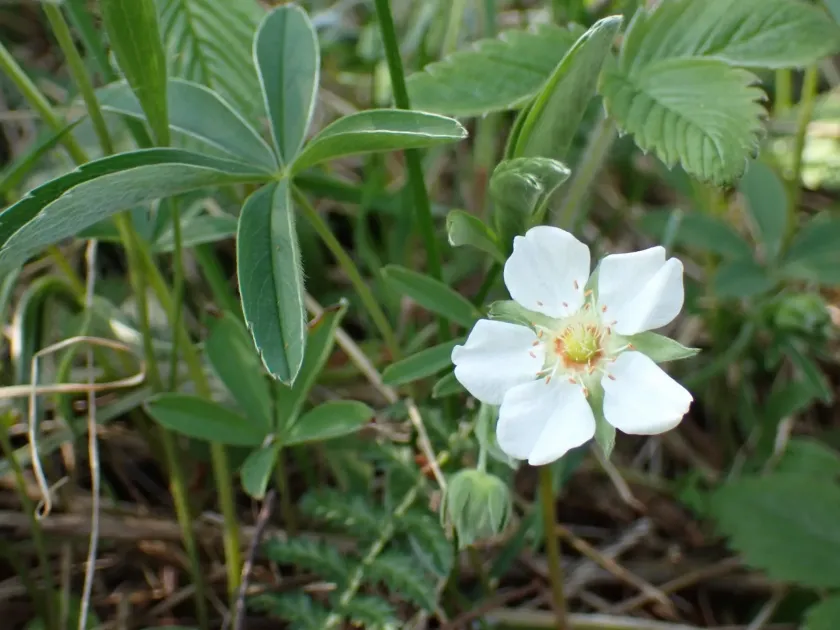
Description
Sowing dates
White cinquefoil seeds are best sown in open ground before winter, which provides natural stratification. Spring planting is possible but requires preliminary cold storage of the seeds for one to two months.
The seeds should be planted at a shallow depth of about 0.5 to 1 centimeter. Due to their small size, they can be mixed with sand to ensure even distribution across the soil surface.
Using light plastic covers or agro-textiles helps maintain consistent moisture levels, which is critical for successful germination of Potentilla alba seeds.
Vegetative propagation is also very common. Dividing the bushes in early spring or late August allows for faster development of robust plants and maintains consistent quality.
Ensuring the soil remains loose and free from weeds is essential for the young plants to establish their root systems effectively during the first year of growth.
Growing requirements
White cinquefoil is a perennial herbaceous plant belonging to the Rosaceae family. It naturally occurs in forest-steppe regions and prefers moderately moist habitats.
The plant is light-loving: to accumulate maximum active compounds in its rhizomes, it requires open, sunny areas. Growth slows down significantly in shaded conditions.
Preferred soil types are light and well-drained. The culture is sensitive to waterlogging, as stagnant moisture can easily cause root rot and decrease overall plant health.
The plant is highly winter-hardy, allowing it to adapt to diverse climates without the need for additional winter protection. It remains resilient against spring temperature fluctuations.
Moderate fertilization, particularly with phosphorus and potassium, promotes healthy root development, which is the most valuable part of this medicinal crop.
Yield
The yield of white cinquefoil is measured by the weight of dried rhizomes. Industrial harvest should not begin until the plant reaches three to four years of age.
An average yield of 500 to 800 kilograms of dried roots per hectare can be achieved with proper agricultural practices and intensive care.
Productivity is closely linked to the maintenance of the plantation. Regular weeding and aeration of the soil increase root biomass by 20–30 percent compared to unmanaged plots.
It is not recommended to cultivate this plant on the same site for more than 10 years, as the specific soil nutrients become depleted, necessitating a proper crop rotation system.
Selecting the most vigorous plants for further propagation helps to gradually improve the average yield and genetic quality of the plantation over time.
Main diseases and pests
Fungal diseases like powdery mildew are the most common threats to white cinquefoil. These issues usually appear during periods of excessive rainfall or high humidity.
Pests such as spider mites can damage the leaves, especially during hot, dry spells, which subsequently slows down the root growth and overall vitality of the crop.
Root rot is the most serious threat caused by poor drainage or excessive irrigation. Maintaining the proper moisture balance is essential for preventing these issues.
Preventive measures include maintaining proper spacing between plants to ensure good air circulation, which reduces the risk of moisture-related fungal infections.
The use of biological controls is highly recommended over chemical pesticides, as white cinquefoil is harvested primarily for its pharmacological properties.
Harvesting
Rhizomes should be harvested in the autumn after the growing season or in early spring before new growth starts, as these periods ensure maximum concentration of active substances.
The roots are carefully dug up, thoroughly cleaned of soil, and washed with cold running water. It is important to remove small rootlets and above-ground parts to ensure high-quality raw material.
Drying is performed in well-ventilated areas at temperatures not exceeding 40 degrees Celsius. Excessive heat can degrade the beneficial components of the plant.
Stored raw materials should be kept in paper bags or wooden containers in a cool, dark place to protect them from light and humidity, ensuring long-term stability.
After harvesting, the soil should be prepared for replanting or rotated to other crops to restore its fertility and prepare it for future cultivation cycles.