
Sulphur cinquefoil
Potentilla recta L.
Description
Sowing dates
The optimal sowing time for Potentilla recta is early spring. The seeds are small and require a finely prepared seedbed to ensure maximum germination rates.
Sowing should be done at a shallow depth of approximately 0.5 to 1 centimeter. Covering the seeds with a light layer of soil or compost helps maintain moisture levels during the germination phase.
When sowing in larger fields, a row spacing of about 50 centimeters is recommended to facilitate mechanical cultivation and ensure sufficient access to light and air.
Early autumn sowing is also a viable option in milder climates, allowing seeds to experience a cold period which can break dormancy and improve spring emergence.
Maintaining consistent moisture in the upper soil layer during the first few weeks after sowing is crucial for the establishment of the young root system.
Growing requirements
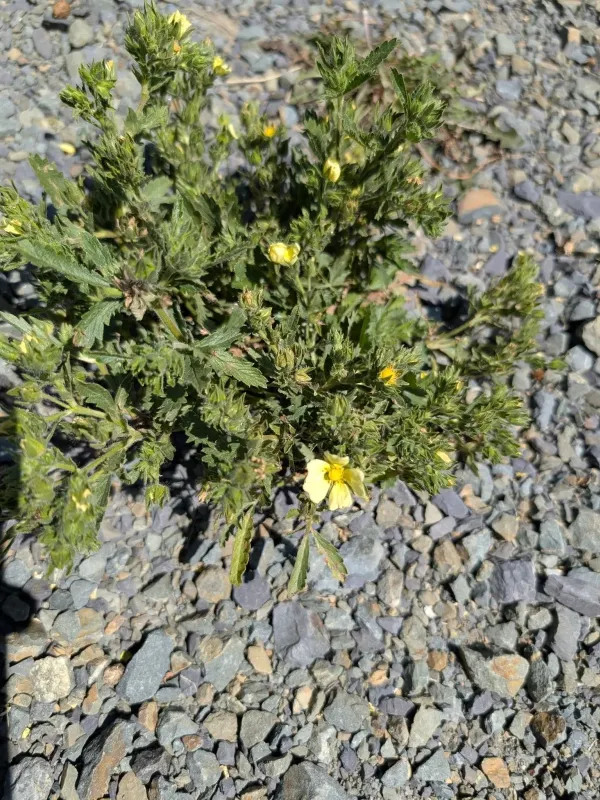
Sulphur cinquefoil (Potentilla recta L.) is a perennial herbaceous plant belonging to the Rosaceae family. It is known for its hardiness and versatility in various environmental conditions.
The crop thrives in well-drained, nutrient-rich soils. It prefers sunny locations and exhibits high tolerance to drought, making it suitable for regions with limited precipitation.
Originating from Eurasia, the plant has successfully adapted to diverse climates, ranging from temperate zones to more arid continental areas, showing resilience against frost.
Regarding soil, it prefers a neutral to slightly alkaline pH. Proper soil structure is essential to prevent water stagnation, which is the primary cause of root-related stress in this species.
In terms of agricultural management, the plant requires minimal input once established, mainly focusing on weed suppression and maintaining adequate space between individual specimens.
Main diseases and pests
Sulphur cinquefoil is generally robust, but it can be susceptible to powdery mildew under conditions of high humidity and poor air circulation in the planting area.
Root rot is a potential risk if the soil remains constantly waterlogged. Avoiding low-lying, damp areas of the farm is the best preventative strategy for crop health.
Insect pests such as leaf beetles or spider mites may occur during hot, dry spells. Monitoring crop health during mid-summer helps in identifying early signs of infestation.
Integrated pest management strategies, such as crop rotation and the use of organic deterrents, are preferred to maintain the therapeutic quality of the harvested material.
Regular monitoring of field edges for invasive weeds is necessary, as they can compete with the crop and harbor pests that could eventually migrate to the primary planting.