
Whorled Solomon's seal
Polygonatum verticillatum
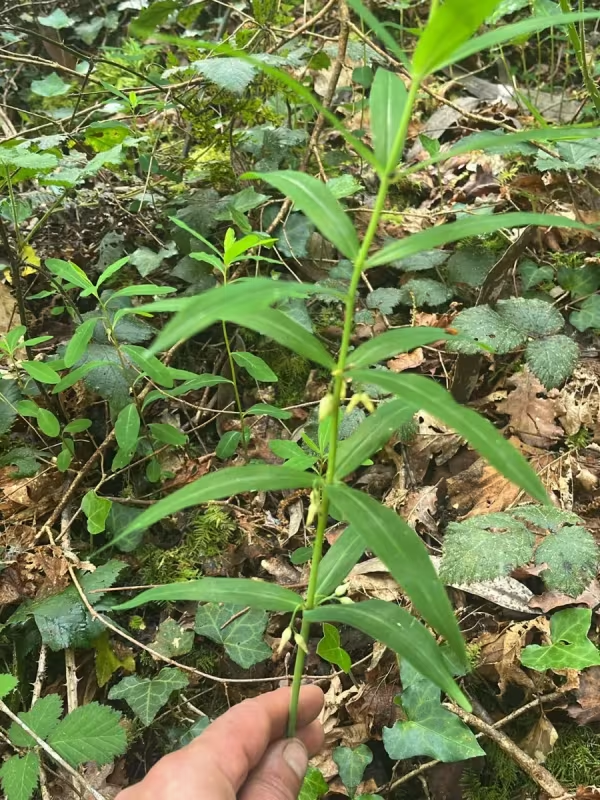
Description
Sowing dates
Whorled Solomon's seal is primarily propagated vegetatively by rhizome division, which is the most reliable method for commercial or home cultivation. The best time for planting is early spring or late summer, allowing the plant to establish before dormant periods.
Propagation by seeds is possible but requires a complex stratification process. Seeds should be sown in late autumn in outdoor seedbeds, as they need to experience fluctuating winter temperatures to break seed dormancy effectively.
When planting rhizomes, they should be placed at a depth of 5–8 cm. Spacing is crucial; plants should be spaced approximately 30–40 cm apart to ensure healthy growth and prevent overcrowding in the years following the initial planting.
The soil preparation phase is essential; the area must be cleared of perennial weeds before planting. Unlike some more aggressive plants, Solomon's seal is relatively slow-growing during its establishment phase and can be easily choked out by common weeds.
Once established, the plants require minimal intervention. Proper spacing and initial weed control during the first growing season are the most important steps to ensure a high-quality, productive crop of rhizomes.
Growing requirements
Polygonatum verticillatum belongs to the Asparagaceae family and is native to shaded forest environments. Consequently, it thrives in partial to full shade. Direct sunlight can cause leaf scorch, significantly reducing both aesthetic and physiological health.
The ideal soil for this crop is rich, loamy, and moisture-retentive, yet it must have excellent drainage. Waterlogged soil, especially in heavy clay conditions, will lead to rhizome rot and overall plant decline.
The plant prefers a neutral to slightly acidic pH range. Incorporating organic matter, such as leaf mold or compost, is highly recommended during the soil preparation stage to provide necessary nutrients and improve soil structure for root expansion.
Climatic requirements for the Whorled Solomon's seal include a temperate environment. It is exceptionally winter-hardy and does not require special winter protection, making it a reliable perennial in regions with cold winters and cool summers.
Maintaining consistent soil moisture is vital, particularly during the active growing season. However, once the plant is well-rooted, it displays moderate tolerance to occasional dry spells, provided the surrounding environment remains shaded and protected from drying winds.
Yield
The yield of Whorled Solomon's seal is measured by the biomass of harvested rhizomes. Under optimal cultivation conditions, harvesting can typically commence 3 to 4 years after the initial planting, once the rhizome mat has sufficiently matured.
Estimated yields can vary significantly based on soil fertility and irrigation management. In managed cultivation systems, growers focus on creating deep, nutrient-rich soil layers to encourage larger rhizome development, which is critical for market value.
Sustainable harvesting practices suggest a 5–7 year rotation for the same planting bed. This allows the plant population to recover and ensures that the bioactive compounds, for which the plant is valued, remain at peak concentrations.
The processing of the yield includes washing, cleaning, and gentle drying of the rhizomes. Precise temperature control during drying is essential to prevent the degradation of glycosides and other secondary metabolites present in the roots.
While the aerial parts of the plant also contain medicinal compounds, they are usually not the primary focus of harvest. The rhizome remains the main source of high-quality, stable medicinal material for commercial applications.
Main diseases and pests
Whorled Solomon's seal is known for its robust health and general resistance to many common garden pests. However, poor environmental management can lead to localized issues that may impact total crop productivity.
- Rust fungus, which can appear as brown spots on the foliage during humid seasons.
- Grey mold (Botrytis), often a result of over-crowding and poor air circulation.
- Slugs and snails, which can cause significant damage to young, tender shoots in the spring.
- Fungal root pathogens triggered by excessive soil moisture and poor drainage.
To mitigate these threats, growers should focus on cultural practices such as ensuring adequate spacing, regular weeding, and maintaining a clean planting environment by removing dead foliage at the end of the season.
If pest populations rise, mechanical control is preferred for medicinal crops to maintain purity. Integrated Pest Management (IPM) strategies, including biological controls, should be the first line of defense before considering any other interventions.
Ultimately, by selecting well-drained, shaded sites, the gardener can effectively avoid most of the typical diseases associated with this plant, ensuring a productive and healthy stand year after year.
Harvesting
Harvesting usually occurs in late autumn, typically after the first frosts when the above-ground stems have begun to wither. This timing ensures that the rhizomes are rich in stored energy and secondary metabolites.
The rhizomes should be lifted using a garden fork to avoid slicing or damaging the tissues. Once lifted, the soil is shaken off, and the rhizomes are thoroughly washed in cold running water to remove impurities and fine root hairs.
After cleaning, the rhizomes are cut into manageable pieces and laid out for drying. It is imperative that drying takes place in a well-ventilated, shaded area or a temperature-controlled dryer kept below 50°C.
Properly dried rhizomes should be firm and brittle, with a light color on the inside. Storage should be in moisture-proof containers placed in a cool, dark, and dry environment to prevent mold growth and preserve the potency of the herb.
By leaving a portion of the rhizomes in the ground or replanting segments during harvest, the grower ensures the sustainability of the patch, allowing for continued harvests in subsequent years without the need to restart from seed.