
Polygonatum falcatum
Polygonatum falcatum
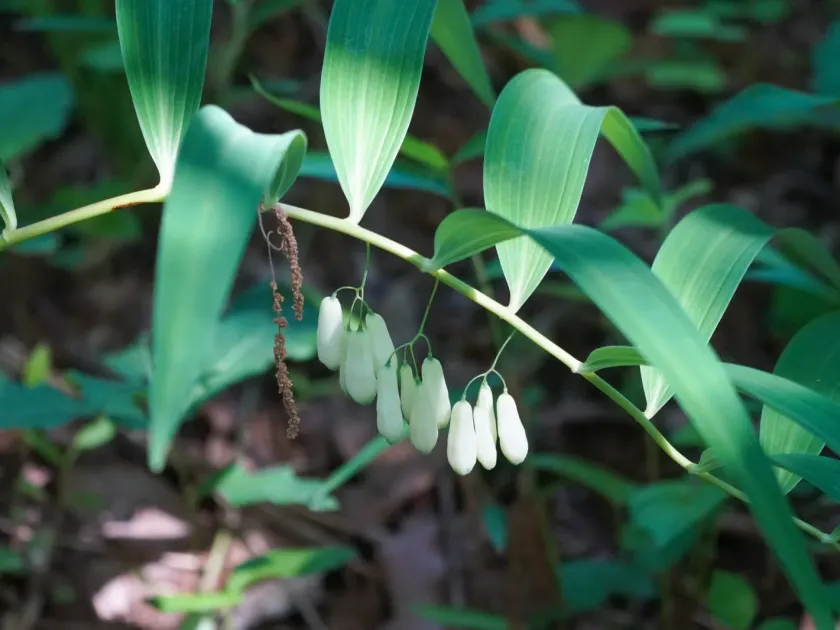
Description
Sowing dates
Polygonatum falcatum, commonly known as Solomon's seal, is a perennial herb belonging to the Asparagaceae family. The species is primarily propagated vegetatively, which ensures genetic consistency and faster establishment compared to seed propagation.
The optimal time for planting is early spring, just before the growing season starts, or autumn, as the plant enters dormancy. When dividing rhizomes, it is essential to ensure that each section contains at least two to three healthy vegetative buds.
Seed propagation is possible but requires significant patience, as the seeds need cold stratification to overcome physiological dormancy. They should be sown in autumn to allow for natural exposure to winter temperatures.
Rhizomes should be planted at a depth of 5 to 8 centimeters. Maintaining a spacing of 30–40 centimeters between individual plants is necessary to prevent overcrowding and allow the root system to spread comfortably within the soil profile.
For commercial or garden cultivation, choosing a site with filtered light or partial shade is critical. Intense, direct sunlight can scorch the foliage and hinder the overall vigor and growth rate of this shade-loving plant.
Growing requirements
The crop thrives in loose, well-draining soils that are rich in organic matter. A slightly acidic to neutral pH level is ideal for nutrient uptake, and the incorporation of leaf mold or compost during site preparation is highly recommended.
Consistent soil moisture is vital for Polygonatum falcatum. While it requires a moist environment, it cannot tolerate waterlogging, which often leads to rhizome rot. Mulching the soil surface helps retain moisture and stabilizes soil temperatures.
The plant is native to regions with temperate climates. It performs best in areas where humidity levels remain moderate throughout the summer, making it an excellent choice for woodland-style gardening or shady crop production systems.
Nutrient requirements are met through annual applications of balanced fertilizers or organic amendments in early spring. Avoid excessive nitrogen, which can lead to lush but weak foliage susceptible to lodging and pests.
Wind protection is an important agronomic factor for this species, as its stems can be fragile. Placing plantings in naturally sheltered areas helps maintain the integrity of the plant and prevents physical damage to the leaves and stalks.
Yield
The economic yield of Polygonatum falcatum is primarily derived from its rhizomes, which are harvested for their medicinal properties. Productivity usually stabilizes after the plants have been established in the field for at least three growing seasons.
Proper field management and the maintenance of soil fertility can yield approximately 1.5 to 2 kilograms of fresh rhizome biomass per square meter. Yield rates are heavily influenced by the age of the crop and the frequency of division.
Harvesting strategies should prioritize older patches, as they produce larger and more concentrated rhizome networks. Rotating the crop every 5 to 7 years is essential to maintain high-quality output and prevent soil exhaustion.
In addition to medicinal use, the species has significant market value in the ornamental nursery sector. Selling young plants provides a supplemental income stream, improving the total financial return of the agricultural plot.
Monitoring the plant health during the growing season is crucial for high yields. Early intervention against environmental stressors ensures that the energy of the plant is directed toward rhizome development rather than recovery.
Main diseases and pests
Fungal diseases, specifically root and crown rots, represent the most significant threat to Polygonatum falcatum. These pathogens are most active in poorly drained or overly saturated soils, making soil management a top priority.
Leaf-feeding insects, including sawfly larvae, can significantly reduce the photosynthetic capacity of the plants. Their activity weakens the plant's overall energy reserves, leading to smaller rhizomes and a lower quality harvest.
Leaf spot diseases can spread quickly in high-density plantings where air circulation is restricted. Promoting good airflow through proper spacing is the most effective cultural method to limit the spread of these fungal infections.
Slugs and snails frequently target young shoots during the wet spring months. Physical deterrents, such as sharp gravel or wood ash, can effectively manage these pests without the need for synthetic chemical applications.
Preventive maintenance includes the regular removal of symptomatic leaves and the sanitization of tools between plant divisions. This prevents the transfer of pathogens and maintains a healthy overall crop status throughout the year.
Harvesting
The harvesting of Polygonatum falcatum rhizomes is typically performed in late autumn. At this stage, the above-ground biomass has withered, and the plant has stored maximum energy and compounds in its underground storage organs.
Using garden forks is recommended to lift the rhizomes gently from the soil, minimizing cuts or bruises. Freshly harvested rhizomes should be immediately cleaned of debris and soil using pressurized water or gentle washing.
Post-harvest processing involves cutting the rhizomes into uniform segments to promote faster drying. This stage must be done in a shaded, well-ventilated area to avoid fermentation or spoilage of the sensitive tissue.
Drying is completed at controlled temperatures of 40–45 degrees Celsius. This precise heat control ensures that the essential pharmacological compounds remain stable throughout the dehydration process, maintaining the quality of the raw material.
Once dried to the appropriate moisture content, the final product must be stored in a cool, dark, and dry environment. Proper packaging using breathable, moisture-resistant materials is essential for long-term storage and marketability.