
Smooth Solomon's seal
Polygonatum glaberrimum
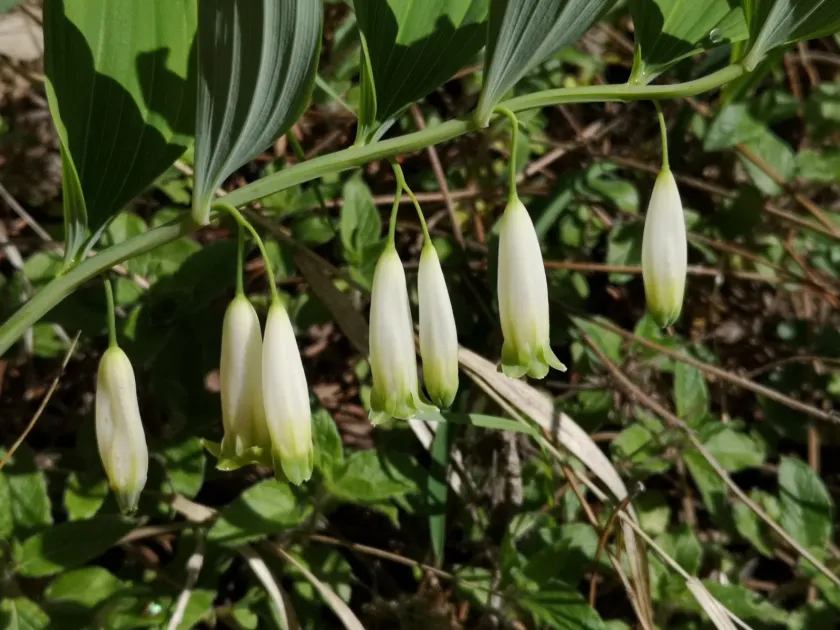
Description
Sowing dates
The propagation of Polygonatum glaberrimum is primarily vegetative, involving the division of rhizomes. The most favorable time for planting is early spring or late autumn when the plant is dormant, ensuring a strong start for the next season.
Seed propagation is also possible but requires stratification due to the natural dormancy of the seeds. Seeds should be sown in prepared nursery beds during the winter to benefit from the natural cooling period.
Selecting an ideal site is crucial for successful establishment. The soil must be loose, rich in organic matter, and well-drained, which provides the perfect environment for the rhizomes to expand horizontally.
When planting, rhizomes should be set at a depth of approximately 5 to 8 centimeters. Deep planting encourages the development of a healthy root system, which is essential for consistent long-term yields.
Optimal plant spacing is recommended at 30–40 centimeters apart. This layout allows for efficient growth while minimizing competition between plants and facilitating easier maintenance and harvesting.
Growing requirements
Smooth Solomon's seal belongs to the Asparagaceae family and thrives in temperate climates. It is native to forest environments, which dictates its preference for shaded or semi-shaded growing conditions.
The soil should be consistently moist but never waterlogged. Providing proper drainage is essential for this species, as excessive water retention can quickly lead to root decay and overall plant failure.
The plant performs best in neutral to slightly acidic soils. Incorporating mature compost or leaf mold into the soil before planting provides the necessary nutrients and improves the moisture-retention capacity of the substrate.
Cold hardiness is a defining feature of this species, allowing it to survive harsh winters in temperate regions without the need for additional protection, making it a reliable agricultural crop.
Mulching is a standard agronomic practice for this crop. Using organic mulch, such as wood chips or straw, helps suppress weeds, maintains soil moisture, and protects the rhizomes from extreme temperature fluctuations.
Yield
The economic yield of Smooth Solomon's seal is focused on the harvest of its rhizomes. A commercial harvest typically becomes viable starting in the fourth or fifth year of plant growth.
Under optimal management, yields can range between 1 to 1.5 tons of dried rhizomes per hectare. Higher yields are achievable with consistent soil fertility management and precise water control during dry periods.
The harvest should occur when the plant enters deep dormancy. During this phase, the concentration of secondary metabolites in the rhizomes is at its peak, ensuring maximum market value for the medicinal raw material.
Sustainability in yield is maintained by rotating harvest sections. This allows for a consistent annual supply to the market while giving the soil and the plants adequate time to recover from harvesting operations.
Post-harvest handling is critical to yield quality. Cleaning and rapid drying of the rhizomes are mandatory steps to prevent fungal growth, which can render the entire batch unfit for consumption.
Main diseases and pests
Leaf-eating pests, particularly the larvae of sawflies, represent a significant threat during the growing season. Defoliation significantly reduces the plant's photosynthetic capacity, leading to smaller rhizomes.
Fungal leaf spot diseases may appear if there is inadequate air circulation in the field. Maintaining sufficient space between plants and removing debris helps to lower the risk of outbreaks.
Slugs and snails can cause substantial damage to young shoots in early spring. Integrated pest management, such as the use of traps or manual control, is preferred to maintain the organic status of the crop.
Root rot is the most severe threat to the crop, usually caused by improper soil moisture management. Ensuring a well-drained site is the best preventive measure against this disease.
Regular monitoring of fields is essential for early detection of any health issues. Swift removal of infected plants prevents the spread of pathogens, ensuring the long-term health of the entire plantation.
Harvesting
The harvest of Smooth Solomon's seal involves mechanical lifting of the rhizomes from the soil. This is best performed using specialized machinery designed to avoid breaking the root structure.
Timing the harvest to follow the senescence of the aerial parts is crucial. When the stems have withered, the plant energy is stored entirely in the rhizomes, which improves the quality of the raw material.
Once lifted, the rhizomes must be cleaned of loose soil and foreign matter. Processing on the field should include preliminary sorting to remove any damaged or diseased root sections before transport.
Efficient drying in professional dehydrators at a controlled temperature is required to preserve the chemical composition. Keeping the temperature below 45 degrees Celsius ensures that active compounds remain intact.
Once dried, the product should be stored in cool, dark, and well-ventilated areas. This storage method ensures the longevity and stability of the product until it reaches the processing facility.