
Polygonatum acuminatifolium
Polygonatum acuminatifolium
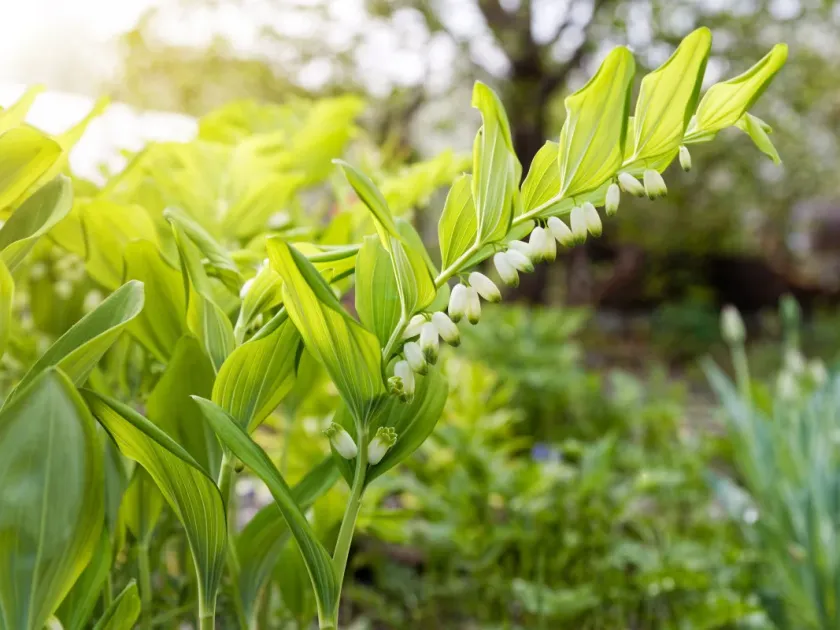
Description
Sowing dates
The propagation of Polygonatum acuminatifolium is primarily achieved through the division of rhizomes. The ideal time to perform this procedure is in early spring, just before the start of the growth season, or in late summer once the plant enters dormancy.
When propagating via seeds, it is recommended to sow them outdoors during the autumn. The seeds of this species require a prolonged period of cold stratification to break dormancy, making the natural cycle of winter ideal for germination.
Seeds should be sown at a depth of 2–3 centimeters in well-drained but moist soil. Consistent moisture levels are crucial, as the seeds are prone to failure if the substrate dries out during the incubation period.
Germination of the seeds is often sporadic and may take up to two seasons to fully emerge. This is a common characteristic within the Polygonatum genus, requiring patience from the grower.
For rhizome division, sections are planted at a depth of approximately 10 centimeters. A spacing of 30–40 centimeters between individual plants is necessary to allow for the horizontal expansion of the root system and the development of the foliage canopy.
Growing requirements
Polygonatum acuminatifolium, a member of the Asparagaceae family, thrives best in shaded or partially shaded environments. In its natural habitat, it is found in woodland areas, where it is protected from intense direct sunlight.
The ideal soil conditions include high organic content, loose texture, and consistent moisture. While the plant requires plenty of water, it does not tolerate waterlogging, so a well-draining soil profile is essential.
The plant prefers soil that is slightly acidic to neutral in pH. Regular irrigation is necessary throughout the growing season, particularly during dry spells, to prevent leaf tip burn and ensure robust growth of the stems.
This species is characterized by high winter hardiness, allowing it to survive in various temperate climates without specialized protective measures. Applying a layer of mulch in the autumn helps to preserve soil moisture and regulate ground temperature.
For optimal health, applying organic fertilizer in early spring is highly recommended. This nutritional boost supports the plant's structural development and prepares it for the subsequent flowering stage.
Main diseases and pests
The most common pest affecting this species is the sawfly. The larvae can feed aggressively on the leaves, leaving behind only the veins, which significantly impacts the aesthetic appeal and overall vitality of the plant.
Fungal issues, such as grey mold, can arise in conditions of poor air circulation and excessive humidity. These infections manifest as soft patches on the stems and leaves, which can lead to decay if not addressed immediately.
Integrated pest management, including the application of appropriate insecticides when larvae are spotted, is the most effective way to protect the crop. Regular monitoring throughout the late spring is advised.
Preventative measures against fungal diseases include proper spacing to ensure airflow and the use of fungicides when high humidity persists. Avoiding overhead irrigation can also minimize the risk of pathogen spread.
It is essential to prune and destroy any infected foliage immediately to prevent the spread of pathogens. Maintaining general garden hygiene is a critical component of successful Polygonatum cultivation.