
Great Solomon's seal
Polygonatum commutatum
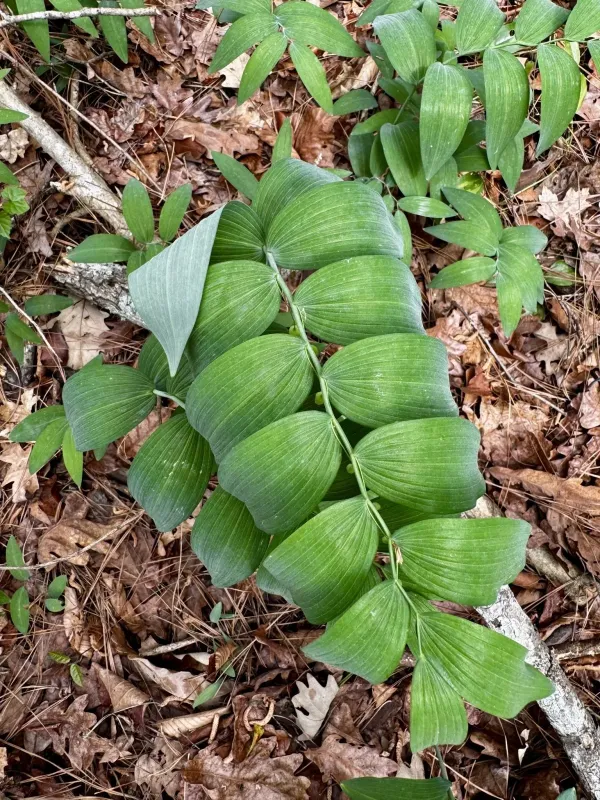
Description
Sowing dates
Planting of the Great Solomon's seal is best performed during the autumn dormancy period, specifically in September or October, allowing roots to establish.
Spring planting is also a viable option and should be conducted as soon as the ground is workable, before the new shoots begin their rapid spring growth.
Vegetative propagation via rhizome division is the preferred agricultural method to maintain the structural integrity and vigor of the individual plants.
When dividing, ensure each segment of the rhizome includes at least one or two healthy buds to facilitate proper stem development in the following season.
Plants should be spaced approximately 12 to 16 inches apart to accommodate the creeping nature of the rhizomes as the colony expands over several years.
Growing requirements
Polygonatum commutatum, a member of the Asparagaceae family, thrives in shaded environments and is an excellent choice for woodland garden settings.
The species requires soil that is rich in organic matter, consistently moist, and well-draining to prevent the rhizomes from rotting in stagnant conditions.
Native to North America, the plant is highly adaptable to various temperate climates, showing excellent winter hardiness once established in the garden.
Soil pH should ideally be slightly acidic to neutral, mimicking the forest floor conditions where the plant naturally occurs in its indigenous habitat.
Periodic mulching with compost or leaf mold is recommended to maintain soil moisture levels and provide essential nutrients for sustained annual growth.
Main diseases and pests
The primary insect pest associated with this plant is the sawfly, which can rapidly defoliate the stems if left uncontrolled throughout the growing season.
Fungal leaf spot diseases may appear in environments with poor air circulation or excessive moisture, leading to premature yellowing of the foliage.
Slugs and snails can cause significant aesthetic damage to the leaves, particularly during cool, damp spring weather when the plant is just emerging.
Integrated pest management strategies, such as physical removal and creating barriers, are often sufficient for smaller gardens before resorting to chemicals.
Maintaining proper spacing between individual plants is crucial for improving air circulation, which helps to naturally reduce the incidence of fungal pathogens.