
Hairy Solomon's seal
Polygonatum hirtum
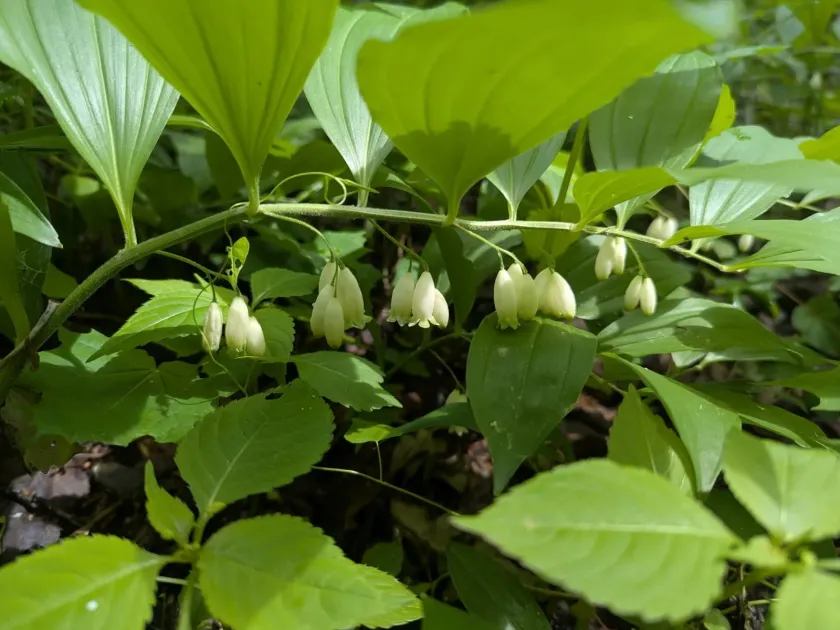
Description
Growing requirements
Polygonatum hirtum, commonly known as the Hairy Solomon's seal, is a perennial herbaceous plant belonging to the Asparagaceae family. This species is native to the woodland areas of Europe, thriving in temperate climates with consistent moisture levels.
As a forest-floor species, the cultivation of this plant requires locations with partial to full shade. Direct exposure to intense sunlight can cause leaf burn and stunted development, limiting the aesthetic and biological potential of the crop.
The ideal soil conditions for this plant are rich in organic matter, loose, and well-draining. A neutral to slightly acidic pH is preferred, as this mimics the natural woodland substrate where the plant typically establishes its root system.
Agrotechnical practices involve maintaining consistent soil moisture, particularly during the active growth phase in the spring and early summer. Mulching with leaf mold or compost is highly recommended to regulate soil temperature and moisture retention.
The plant serves multiple purposes, being widely utilized as a decorative element in shaded landscape projects and having a history of use in traditional medicine, where its rhizomes are processed for their specific bioactive properties.
Main diseases and pests
The primary pests affecting Solomon's seal are sawflies, which feed on the foliage. Heavy infestations can lead to significant defoliation, which stresses the plant and prevents the accumulation of energy reserves in the rhizomes for the following season.
Fungal diseases, including leaf spots and root rots, are major threats that usually stem from poor drainage or excessive atmospheric humidity coupled with poor airflow around the foliage.
Preventative measures are essential, such as ensuring adequate spacing between individual plants and maintaining a clean growing area by removing decaying plant matter that could harbor spores.
Slugs and snails can pose a challenge, particularly for emerging shoots in the spring. Implementing physical barriers or organic baiting strategies can help manage these populations without relying on heavy chemical interventions.
By prioritizing a balanced growing environment and regular monitoring, growers can effectively manage the risks associated with pests and diseases, ensuring the long-term vitality of the Polygonatum hirtum crop.