
Polygonatum humile
Polygonatum humile
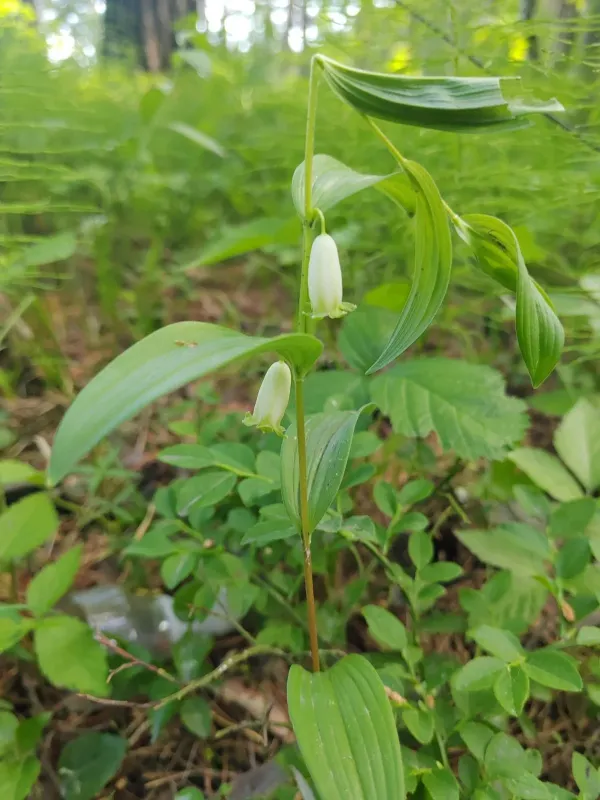
Description
Growing requirements
Polygonatum humile, commonly known as the dwarf Solomon's seal, is a hardy perennial belonging to the Asparagaceae family. This species is highly valued in gardening for its low, creeping growth habit and lush foliage.
Originating from regions in East Asia, including Japan and Korea, this plant is naturally adapted to woodland environments. It is characterized by its short, arching stems that rarely exceed 20 centimeters in height.
The plant thrives in partial to full shade, making it a perfect groundcover for areas under deciduous trees where sunlight is filtered. Exposure to intense sunlight should be avoided to prevent leaf scorch.
Soil requirements involve well-draining, humus-rich, and slightly acidic growing media. Maintaining consistent soil moisture is crucial, especially during the active growth period in spring and early summer.
Propagation is primarily achieved through rhizome division during the dormant season, which allows for fast expansion of the garden bed. The plant is remarkably low-maintenance once established.
Main diseases and pests
The most common pest affecting Polygonatum species is the sawfly, whose larvae can skeletonize the leaves in a very short time if left uncontrolled.
Fungal infections, such as grey mold (Botrytis) and various leaf spots, may appear if the plants are situated in areas with poor air circulation or excessive moisture.
Early detection is vital; gardeners should monitor for signs of chewing insects on the undersides of leaves during the late spring months.
Proper sanitation, including the removal of dead or infected plant debris in the autumn, helps reduce the overwintering potential of pathogens and pests.
In addition to insects, slugs and snails can be problematic for young, tender shoots emerging from the soil in spring, requiring protective bait if infestation is heavy.