
Polygonatum punctatum
Polygonatum punctatum
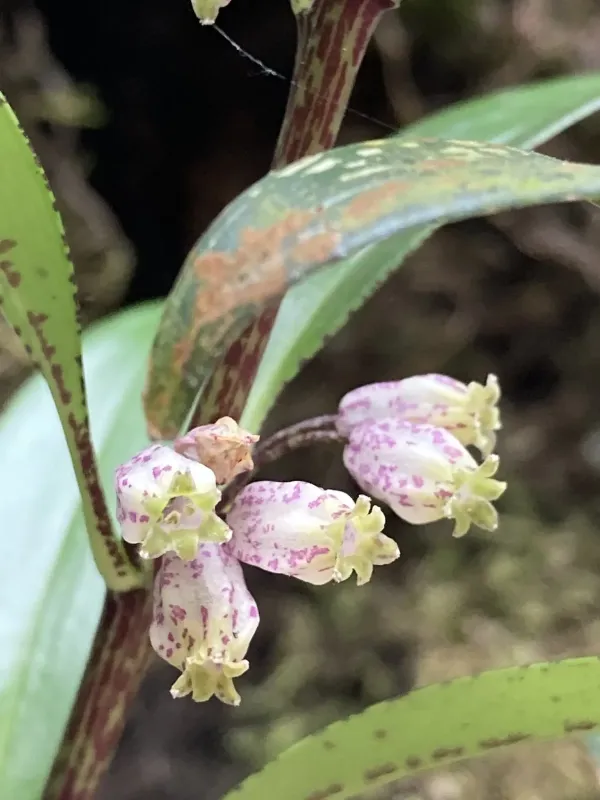
Description
Sowing dates
The propagation of Polygonatum punctatum is most reliably achieved through the division of rhizomes, which should be performed in early spring or late summer.
When selecting rhizome sections for planting, ensure that each segment contains at least one healthy growth bud and a portion of the fibrous root system.
Seed propagation is possible but requires a long period of cold stratification; therefore, seeds should be sown in the autumn to benefit from natural winter conditions.
Planting depth for rhizomes should be approximately 8 to 10 centimeters, ensuring that the buds are well protected from freezing and drying out.
Space the plants about 30–40 centimeters apart to provide sufficient area for the creeping rhizomes to spread naturally over time.
Growing requirements
Polygonatum punctatum prefers shaded or semi-shaded environments, ideally protected from harsh winds and intense direct sunlight, which can scorch the foliage.
The plant thrives in moist, well-draining, humus-rich soil that mimics the conditions found in woodland habitats, where organic matter is constantly accumulating.
Proper drainage is essential to prevent rhizome rot, particularly in regions with high spring rainfall where heavy soils may become waterlogged.
The species is highly hardy and can withstand low winter temperatures, making it a reliable perennial for various temperate garden settings.
Regular mulching with organic material such as leaf mold can help retain soil moisture and maintain the cool root environment necessary for optimal growth.
Main diseases and pests
Sawfly larvae are the most significant pests for this species, as they can cause extensive damage to leaves, significantly weakening the plant's vigor.
Fungal infections such as leaf spot diseases may occur in stagnant, humid conditions, necessitating proper plant spacing to allow for adequate air circulation.
Slugs and snails can pose a threat to emerging shoots in the spring, making it necessary to monitor the garden beds during the early growing season.
Root rot is a common issue caused by overwatering or poorly drained soil, which can rapidly kill the entire plant if left unaddressed.
Integrated pest management, including physical removal of larvae and the use of natural predators, is recommended to keep plants healthy throughout the year.