
Eastern Solomon's seal
Polygonatum orientale
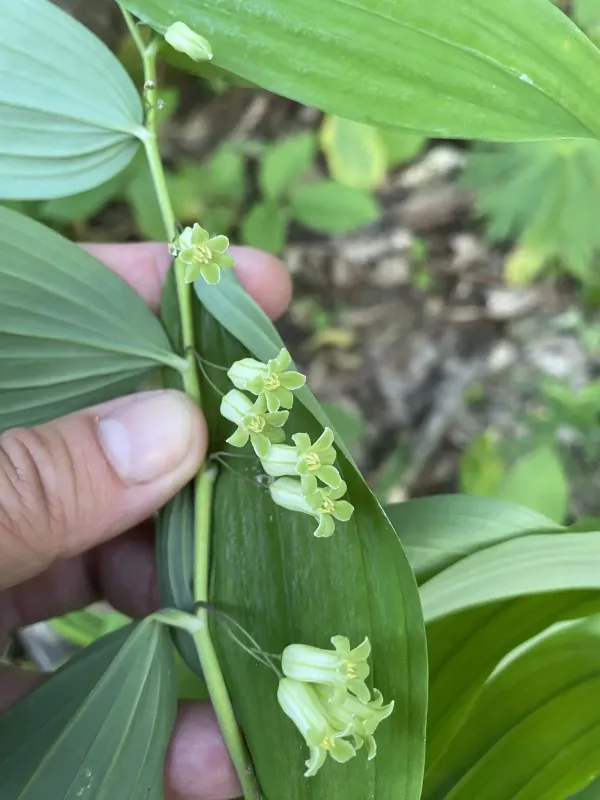
Description
Growing requirements
Eastern Solomon's seal (Polygonatum orientale) is a perennial herbaceous plant belonging to the Asparagaceae family. This species is characterized by its creeping rhizomes and elegant, arching stems that thrive in woodland settings.
The crop requires shaded or semi-shaded environments, mimicking its natural habitat beneath a forest canopy. Excessive exposure to direct sunlight can cause foliage scorching and reduce the overall vigor of the plant.
Soil requirements focus on high organic matter content, excellent drainage, and a slightly acidic to neutral pH level. It is crucial to prevent waterlogging, as the rhizomes are prone to rotting in saturated soils.
Climatically, the species is hardy and well-adapted to temperate regions, successfully withstanding cold winters. Adequate mulch is recommended in colder zones to protect the emerging shoots from late spring frosts.
Standard agrotechnical practices include maintaining consistent soil moisture, providing seasonal organic amendments, and managing the rhizome density to ensure proper space for individual plant growth.
Main diseases and pests
The plant is frequently targeted by Solomon's seal sawfly larvae, which skeletonize the foliage, often causing significant damage during mid-summer months.
Fungal pathogens such as Botrytis (gray mold) can pose a threat during cool, wet springs, leading to lesions on stems and leaves.
Management of these threats involves proper spacing to promote air circulation and the removal of infected plant debris at the end of the season.
In case of pest outbreaks, targeted insecticides may be necessary, provided they are applied during the early stages of infestation to maximize effectiveness.
Long-term soil health and balanced nutrient availability contribute to a stronger resistance against common garden pests and local environmental stress factors.