
Solomon's seal
Polygonatum odoratum
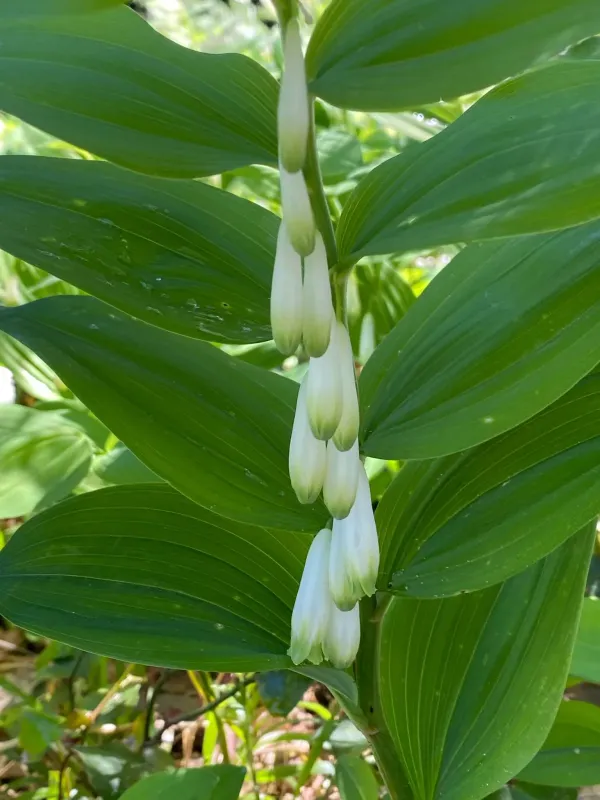
Description
Sowing dates
Propagation of Solomon's seal is primarily achieved through rhizome division. The ideal window for this operation occurs during early spring or late summer, when the plant is in its dormant or semi-dormant phase.
When propagating from seeds, sow them outdoors in late autumn immediately after harvest. These seeds require a prolonged period of cold stratification to break dormancy, meaning germination often occurs only in the second growing season.
Rhizomes should be planted at a depth of 5 to 8 centimeters. Maintain a spacing of approximately 25 to 30 centimeters between plants to allow adequate room for the spreading rhizomatous root system to develop.
Select a planting site that mimics the plant's natural habitat: woodland-like conditions with loose, humus-rich soil and partial to full shade throughout the day.
Avoid heavy clay soils that retain excess moisture for too long, as this can lead to root rot. Well-drained but consistently moist soil is the key to successful establishment of the culture.
Growing requirements
Solomon's seal, scientifically known as Polygonatum odoratum, belongs to the Asparagaceae family. It is a perennial herb native to temperate forests across Europe and Asia, perfectly adapted to low-light environments.
The plant is defined by its characteristic arching stems and fleshy horizontal rhizomes. The name "Solomon's seal" is derived from the circular, seal-like scars left on the rhizome where previous years' stems have died back.
This crop thrives in fertile, moisture-retentive soils with a slightly acidic to neutral pH. It is an excellent plant for woodland gardens, though it requires patience as it establishes its root system slowly.
In terms of climate, it is remarkably hardy and resistant to low temperatures, making it suitable for temperate regions where it can survive harsh winters without special protective cover.
Annual maintenance involves keeping the site free of aggressive weeds that might compete for nutrients. Mulching the base with organic compost can help retain moisture and nourish the soil over time.
Yield
Commercially, Solomon's seal is valued primarily for its medicinal properties. The rhizomes contain active phytochemicals, including steroidal saponins and flavonoids, which have been used traditionally to treat inflammation and skin conditions.
The yield of medicinal biomass is highest when plants reach maturity, typically after four to five years of growth. Harvesting should ideally take place in the autumn once the stems have naturally turned brown.
In the ornamental sector, Solomon's seal serves as a high-demand plant for landscaping shaded areas. Its graceful arching habit and fragrant white bell-shaped flowers make it a staple for garden design.
While not a traditional broad-acre crop, its niche market potential in the herbal industry is stable due to the increasing demand for high-quality botanical ingredients.
Sustainable harvesting practices are essential, as over-harvesting from wild populations is a concern. Dedicated nursery cultivation is the preferred method for supply chain stability.
Main diseases and pests
The most significant pest for Solomon's seal is the Solomon's seal sawfly, the larvae of which can defoliate entire colonies within weeks. Regular monitoring during the spring is crucial for containment.
Fungal issues such as leaf spot can occur during humid growing seasons, especially if there is poor air circulation between the plants. Keeping the planting site clean and well-spaced minimizes this risk.
Slugs and snails may occasionally feed on young, succulent shoots during the spring. Implementing physical barriers or organic baits can help protect the vulnerable early growth stages.
Management of these threats relies on integrated pest management (IPM) practices, including the removal of dead foliage in late autumn to reduce the overwintering potential for pathogens and pests.
- Use of systemic insecticides only when necessary and targeted.
- Ensuring adequate spacing to improve airflow and reduce humidity levels.
- Removing plant debris after senescence to limit habitat for pests.