
Solomon's seal
Polygonatum multiflorum
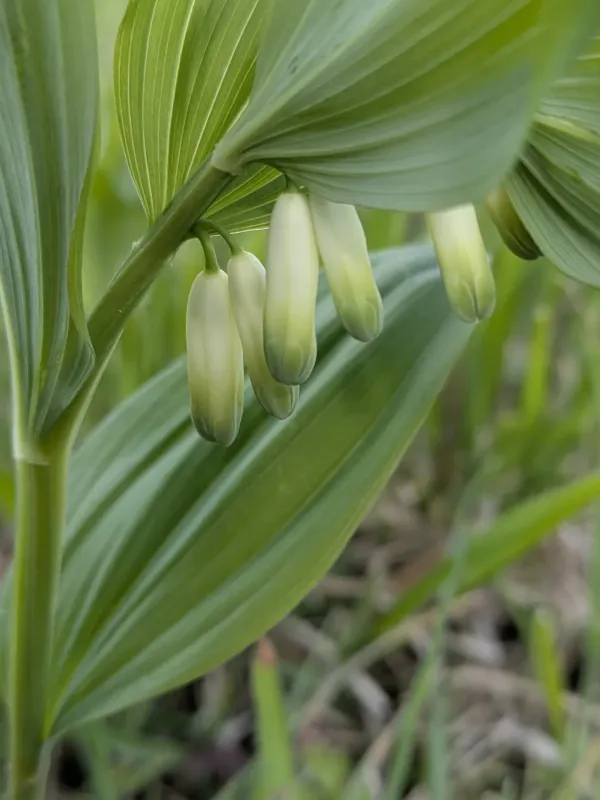
Description
Growing requirements
Solomon's seal (Polygonatum multiflorum) is a perennial herbaceous plant belonging to the Asparagaceae family. It is native to the temperate forests of Europe and Asia, where it typically thrives in shaded woodland environments with nutrient-rich soils.
The cultivation of this crop requires well-drained, humus-rich soil that maintains a high level of moisture throughout the growing season. It is essential to ensure that the site does not dry out, as the plant's succulent rhizomes are sensitive to water stress.
The plant is highly shade-tolerant, making it suitable for areas under tree canopies or on the north sides of buildings. Avoiding direct, harsh sunlight is crucial to prevent leaf scorching and to ensure the plant's natural architectural form remains intact.
Growth is sustained by an extensive, spreading rhizome system that expands horizontally each year. For optimal performance, the soil should be kept neutral to slightly acidic, enriched with leaf mold or well-rotted organic matter.
Climate adaptation is a key feature of this species, as it is frost-hardy and can withstand significant seasonal temperature fluctuations. During the dormant winter period, the plant relies on its underground rhizomes to survive cold temperatures effectively.
Main diseases and pests
The most significant insect pests affecting this crop include various species of sawfly larvae and leaf beetles. These pests can consume large sections of the foliage in a short period, severely impacting the plant's photosynthetic capacity.
Fungal diseases, specifically root rot and Botrytis, are common risks in areas with poor drainage or excessive humidity. These pathogens thrive in stagnant water conditions, often leading to the deterioration of the rhizome and systemic plant death.
Slugs and snails often target new, tender shoots as they emerge from the soil in early spring. Protecting these young sprouts with barriers or organic deterrents is a standard practice in managed horticultural or nursery settings.
Maintaining adequate spacing between plants is essential to prevent the buildup of humidity and disease. Proper air circulation significantly reduces the susceptibility of the crop to fungal infections during humid summer months.
Integrated pest management, including regular monitoring and the use of bio-based pesticides, is recommended for controlling infestations without disrupting the local ecosystem. Chemical interventions should be used sparingly as a last resort.