
Giant Solomon's seal
Polygonatum macranthum
Description
Growing requirements
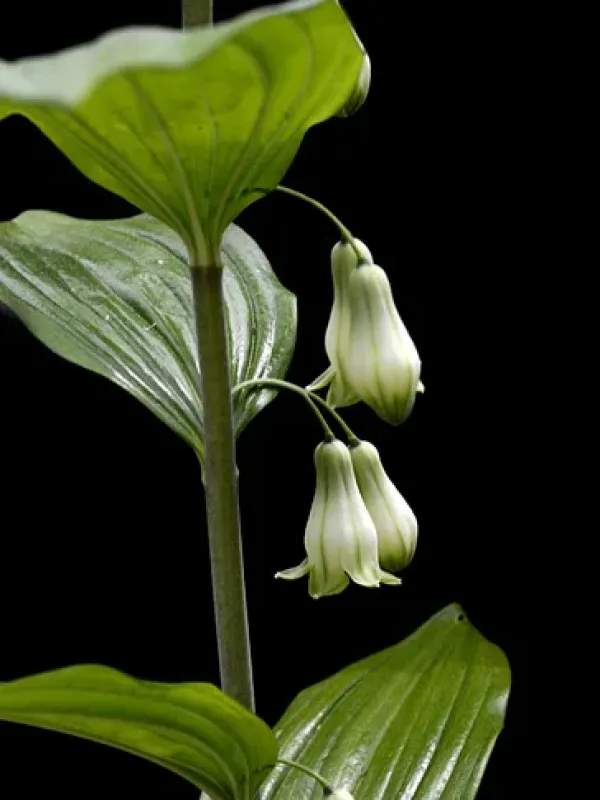
Giant Solomon's seal (Polygonatum macranthum) is a perennial herbaceous plant belonging to the Asparagaceae family. It is characterized by its robust, fleshy rhizomes and elegant arching stems that display large, bell-shaped flowers during the growing season.
The species originates from the temperate forests of East Asia. In its natural habitat, it thrives in shaded environments with deep, moist soils. It is well-adapted to cool, temperate climates, displaying strong winter hardiness in northern latitudes.
Cultivation requires well-drained, humus-rich soil with a slightly acidic to neutral pH. Providing a consistent moisture supply is essential, although the plants must be protected from waterlogged conditions that could trigger root rot.
For optimal growth, the species should be planted in semi-shaded to fully shaded areas. Intense sunlight is detrimental to the foliage, which is prone to scorching in exposed, hot conditions throughout the summer months.
Beyond its ornamental value in landscaping, the plant has a history of traditional medicinal use. Its rhizomes are valued for their bioactive compounds, which support its continued interest as a specialized agricultural crop for pharmaceutical purposes.
Main diseases and pests
The primary pest affecting Solomon's seal is the Solomon's seal sawfly (Phymatocera aterrima). Larvae can defoliate large areas of plants very quickly if left unchecked, significantly impacting plant vigor and photosynthesis.
Manual removal of larvae is effective in small-scale gardens, whereas large plantings may require targeted insecticidal treatments. Monitoring for egg-laying activity on the undersides of leaves is critical in the early spring.
Fungal issues, such as Botrytis blight, may occur in high humidity or stagnant air conditions. Improving air circulation around the plants is the most effective cultural method to prevent the spread of fungal spores.
Root rot can be a significant threat if the soil structure is compacted or poorly drained. Ensuring a proper drainage layer and avoiding excessive organic mulch close to the stem base helps maintain root health.
Sanitation practices, such as removing and destroying infected foliage in the autumn, prevent the buildup of pathogens. Adopting integrated pest management (IPM) techniques ensures high productivity and plant longevity.