
Polygonatum lasianthum
Polygonatum lasianthum
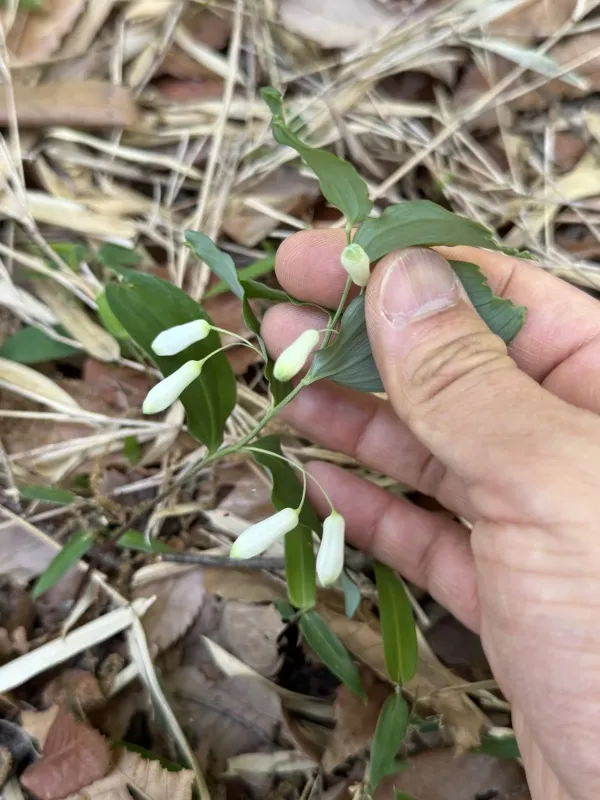
Description
Sowing dates
Polygonatum lasianthum, commonly known for its elegant arching stems, is best propagated via division of the rhizomes. The optimal time for this procedure is late summer or early autumn, allowing the plants to establish their root systems before the onset of winter dormancy.
To divide the plant, carefully lift the rhizome clump and segment it into smaller pieces. Ensure each section possesses at least one or two vigorous growth buds. Replant these sections at a depth of approximately 5 to 8 centimeters in moist, well-draining soil.
While seed propagation is possible, it is rarely utilized in practical gardening due to the plant's complex germination requirements. Seeds often require a period of cold stratification that can last for several months, making it a slow and unreliable method compared to vegetative division.
When planting, provide adequate spacing of about 30 centimeters between specimens. This spacing is vital to ensure good air circulation, which helps prevent the buildup of excess humidity that can lead to fungal issues around the base of the stems.
Immediately after planting, water the area thoroughly to settle the soil around the rhizomes. Applying a layer of organic mulch, such as leaf mold, is highly recommended to regulate soil temperature and moisture levels, mimicking the plant's natural woodland habitat.
Growing requirements
Polygonatum lasianthum thrives in partial to full shade, making it an excellent candidate for woodland or north-facing garden beds. Direct, harsh sunlight should be avoided as it can scorch the delicate foliage and reduce the plant's overall decorative appeal.
The ideal soil is moisture-retentive, rich in organic matter, and slightly acidic to neutral in pH. If your garden soil is heavy or prone to waterlogging, it is essential to incorporate coarse sand or gravel to improve drainage and prevent root rot.
This species is well-adapted to cooler climates and possesses high winter hardiness. Once established, the rhizomes are capable of surviving freezing temperatures, provided the soil is not overly saturated, which could otherwise lead to frost heaving or decay.
Consistent moisture is key to the health of this culture. While it can withstand short periods of dryness, prolonged droughts will cause the leaves to brown and wilt. Regular watering during dry summer spells is necessary to maintain the plant's lush appearance.
Maintenance is relatively minimal; a light application of compost in early spring is usually sufficient to support growth. Avoid excessive chemical fertilizers, as they can lead to weak, forced growth that makes the plant more susceptible to pests and disease.
Main diseases and pests
The Polygonatum sawfly is the most notable pest for this species. Its larvae can consume significant portions of the foliage within a short period. Early detection and hand-picking or the use of targeted biological insecticides are the most effective management strategies.
Gray mold, or Botrytis, can affect the plants in seasons with high humidity or poor ventilation. To minimize the risk, ensure that plants are not overcrowded and clear away any dead plant material from around the base during the autumn months.
Slugs and snails frequently target the young, emerging shoots in the spring. Implementing protective measures such as copper tape barriers or grit around the base of the plant can provide an effective deterrent against these common garden pests.
Root rot caused by stagnant water is a serious threat to the longevity of Polygonatum lasianthum. Proper site selection and soil preparation to ensure adequate drainage are the primary defenses against this physiological and pathological disorder.
General plant health is the best defense against threats. By providing the correct light, soil moisture, and airflow, the plant's natural resistance is bolstered, reducing the need for intensive chemical interventions throughout the growing season.