
Involucrate Solomon's seal
Polygonatum involucratum
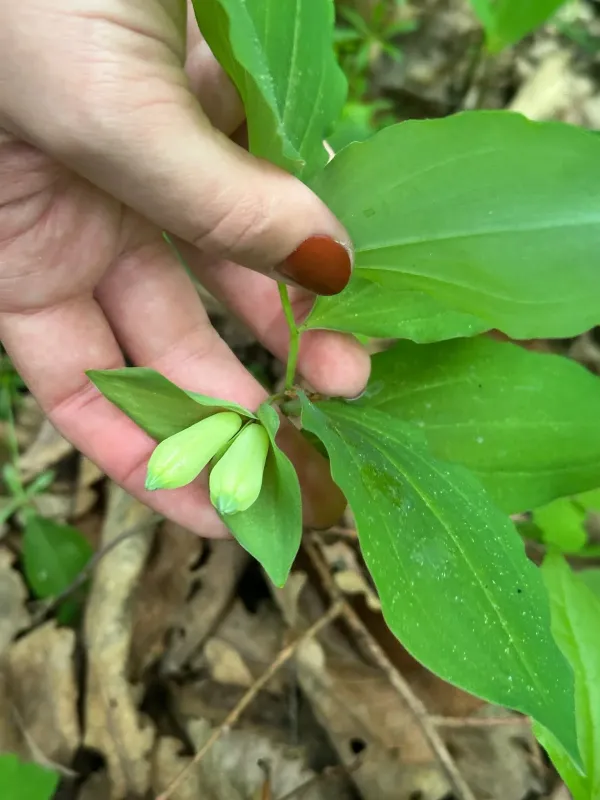
Description
Sowing dates
Propagation of Polygonatum involucratum is primarily achieved through rhizome division. This method is the most reliable way to produce clones that maintain the genetic characteristics of the parent plant, usually performed in early autumn.
When dividing, ensure each segment includes healthy buds and a portion of the fleshy rootstock. Plant these divisions approximately 5 to 10 centimeters deep in prepared, nutrient-rich soil beds to encourage rapid root establishment.
Seed propagation is possible but involves complex stratification cycles. Seeds often require a period of cold treatment to break dormancy, making the process significantly slower compared to vegetative propagation techniques.
Spacing should be managed to ensure healthy air circulation. A distance of 30 centimeters between specimens is generally sufficient to prevent competition for nutrients and reduce the risk of humidity-related foliage diseases.
Initial irrigation after planting is crucial. Once established, the plants are relatively self-sufficient, requiring supplementary watering only during prolonged dry spells to maintain their growth vigor.
Growing requirements
Polygonatum involucratum, known as the Involucrate Solomon's seal, is a perennial herbaceous plant belonging to the Asparagaceae family. Native to the forests of East Asia, it thrives in shaded, cool environments with moist soil conditions.
The plant features a creeping, thickened rhizome that serves as a storage organ for carbohydrates. Its foliage is characterized by distinctive leaves arranged in a whorl-like structure, giving it an ornamental appearance suitable for specific garden layouts.
For successful growth, this crop requires soil rich in organic matter, such as leaf mold or composted loam. It prefers a slightly acidic to neutral pH and cannot tolerate waterlogged conditions, making drainage a primary concern for growers.
Environmental requirements focus on consistent moisture and cool temperatures. In its natural habitat, it develops under a canopy of trees, which implies that intensive sunlight should be avoided to prevent foliar scorch and desiccation.
Maintenance involves providing shelter from wind and extreme heat. Mulching with organic material is a recommended practice to stabilize soil temperature and conserve moisture during the warmer summer months.
Main diseases and pests
Sawfly larvae are the most significant pests affecting this species. They feed on the leaves, leaving behind skeletonized foliage if not managed early through manual removal or biological insect control methods.
Fungal pathogens, particularly those causing root rot, can devastate populations if the soil moisture levels are too high. Improving drainage or reducing watering frequency is essential to combat these threats.
Leaf spot diseases, caused by various fungal spores, may appear during humid seasons. Preventive measures, such as ensuring adequate spacing and removing infected debris from the field, are critical for maintaining plant health.
Slugs and snails can cause cosmetic damage to young, tender shoots in the spring. Barrier methods, such as coarse mulches or physical traps, are effective in protecting the young growth without chemical intervention.
Regular monitoring and integrated pest management are the foundations of successful cultivation. Keeping the planting area free of decaying organic matter helps in preventing the build-up of pathogens that could affect the rhizome system.