
Inflated Solomon's seal
Polygonatum inflatum
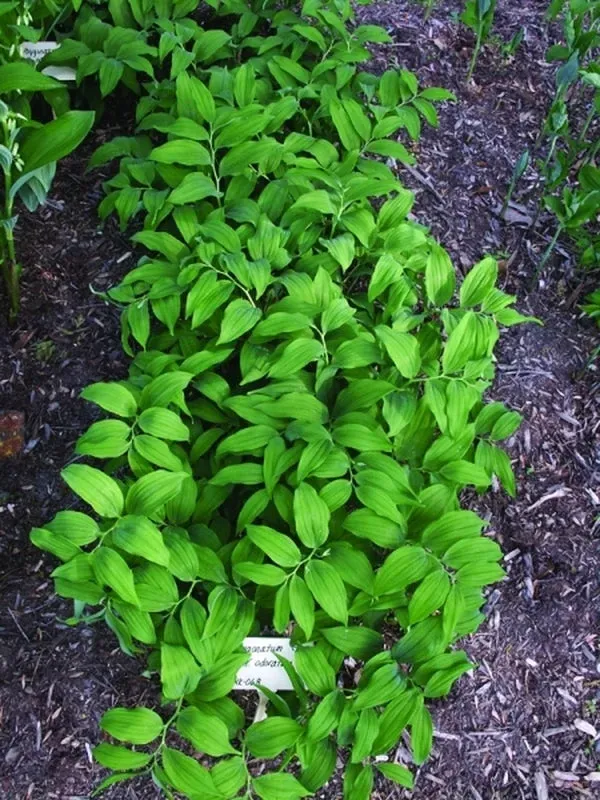
Description
Sowing dates
Sowing seeds of the inflated Solomon's seal is best done before winter, as the seeds require a mandatory stratification period of three to four months at low temperatures to break dormancy. In commercial nursery settings, it is possible to use a greenhouse method with pre-chilled seeds.
The optimal time for vegetative propagation is early spring or late August, when the plant is in a state of relative dormancy. Dividing the rhizomes is a more reliable and faster method of obtaining stock material compared to seed sowing.
When planting, individual sections should be placed 30–40 centimeters apart to ensure healthy development of the underground system. Planting holes should be 10–15 centimeters deep, reflecting the natural depth of the rhizome in the soil horizon.
It is crucial to note that this crop exhibits slow growth during its first two years. During this period, weed control is essential, as invasive species can easily outcompete the young seedlings.
Initial irrigation after planting must be steady but moderate to ensure proper root establishment. Excessive soil saturation during the germination phase can lead to rotting of the delicate root tissues.
Growing requirements
The inflated Solomon's seal prefers partial shade areas protected from intense direct sunlight. Mimicking its natural forest habitat, the plant thrives best under conditions of diffused light and consistent environmental humidity.
The crop requires fertile, well-drained soil. Loose, loamy, or sandy soils with a neutral to slightly acidic pH are ideal for its development. It performs poorly in compacted or waterlogged ground.
Drainage is a critical factor for success; in heavy clay soils, building a drainage layer or raised bed is necessary to prevent root rot. However, the plant also remains sensitive to drought and needs protection from excessive summer heat.
Applying organic amendments such as compost or leaf mold is recommended to maintain soil structure and provide nutrients. These amendments help in mimicking the forest floor environment the plant requires.
While the species is generally winter-hardy, in regions prone to frost without snow cover, applying a light mulch of peat or wood chips around the base provides necessary protection for the buds during the winter.
Main diseases and pests
Fungal diseases, specifically leaf spot, pose the primary threat to the crop, often exacerbated by high humidity and insufficient air circulation within the plant canopy.
Slugs and snails are the most frequent pests, particularly in the spring, as they feed on the emerging succulent shoots. Barriers and physical traps are effective methods to manage these populations without heavy chemical use.
Sawfly larvae are less frequent but can cause rapid defoliation if left unchecked. Frequent monitoring of the foliage is essential to detect early infestations and allow for timely biological or physical control measures.
Root rot issues usually stem from overwatering or poorly chosen sites with insufficient drainage. Good horticultural management and adherence to strict watering schedules are the best preventative measures.
Maintaining a clean field by removing dead leaves and debris at the end of the season reduces the chances of pathogen overwintering, significantly lowering the risk of infection in the following spring.